

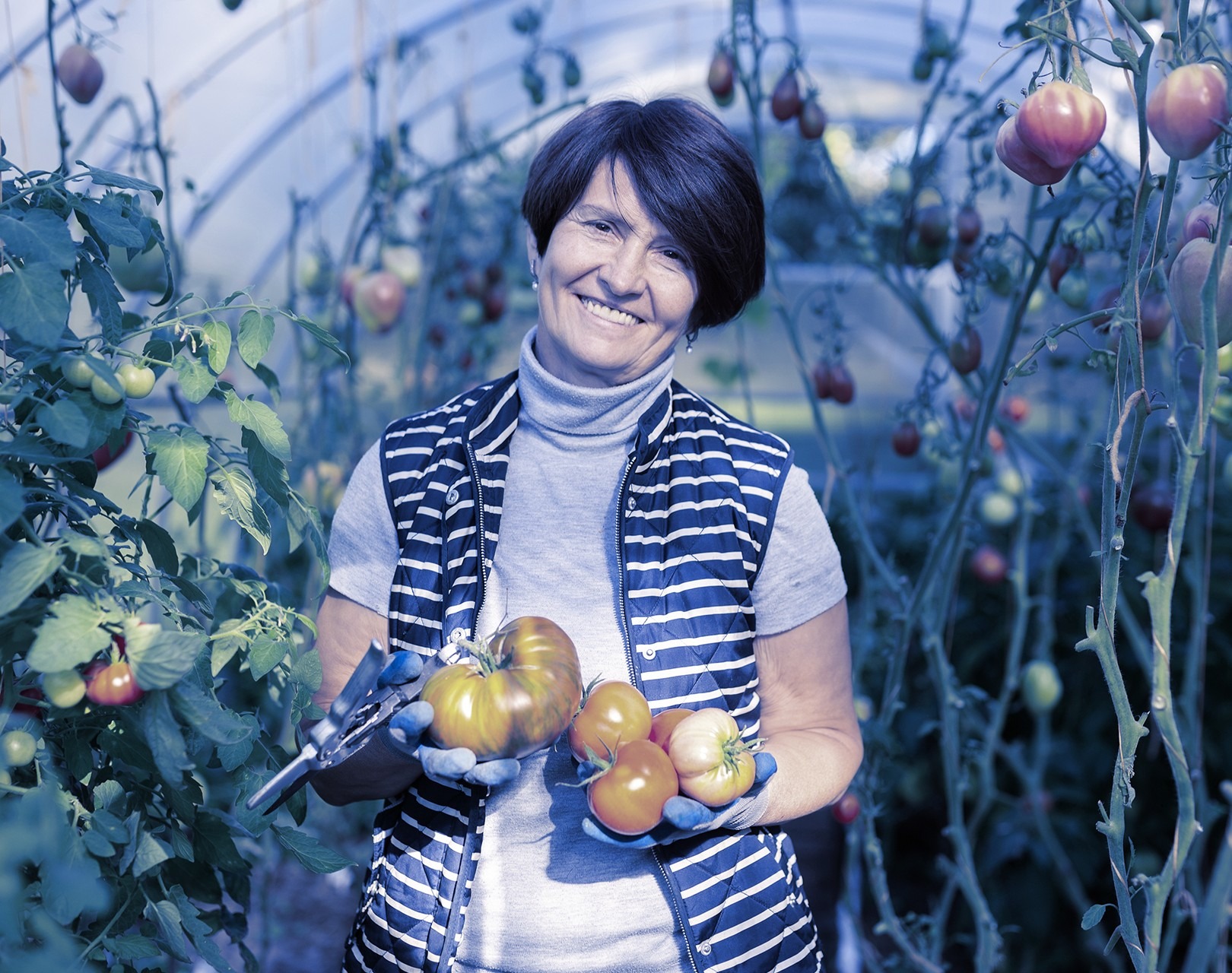
Women are shaping the future of agriculture through their knowledge, skills, and dedication across a wide range of roles. From hands-on farming to technical expertise and quality management, their contributions are an integral part of an industry that continues to evolve. Behind these contributions are individual journeys shaped by ambition, curiosity, determination, and a passion for their work.
Through the Women in Agriculture campaign, Agraya brings these personal experiences into focus. In the second installment of the series, four women from Argentina and Chile share what inspired them to pursue careers in agriculture, the challenges they have encountered, and the experiences that make their work rewarding.
Finding a career in agricultural assurance
For Flavia Bella from Argentina, a lifelong interest in biology and nature led to a career she had not originally anticipated. Although she did not grow up in a farming family, she always wanted to work closely with plants, animals, and agricultural production. Today, Flavia works for a local environmental certification body, applying GLOBALG.A.P. standards. Her work includes assessing sugarcane production conducted without field burning.
When she began her studies, certification was not an established career path. Two decades later, she sees agricultural assurance as an example of the many professional opportunities the sector offers beyond farming itself.
Building expertise in a changing industry
Mabel Veliz from Argentina began studying agronomy at just 17, motivated by her interest in nature conservation and agriculture. After graduating at 23, she entered an industry where women were underrepresented. Today, she works in the Quality Management department at El Ingenio Santa Rosa, where she has witnessed significant changes in agricultural production and quality assurance.
For Mabel, one of the most rewarding aspects of her career has been participating in the development of processes that once seemed out of reach. “At the time when I graduated, nobody imagined that we would reach the point of achieving international standards certification; I think it seemed impossible,” she recalls.
Learning and growing through hands-on experience
At Huertos de Ucuquer in Chile, Elizabeth González has spent the past four years developing her agricultural skills and gaining practical experience in crop production. Having previously studied to become an agricultural technician in Santiago, Elizabeth was drawn to the countryside by her interest in farming and working outdoors.
One of her most rewarding experiences has been watching the crops develop from young plants through to their first harvests. Her responsibilities have also expanded as the plants have matured. More recently, she has learned pruning techniques, adding another skill to her experience.
Connecting food safety with worker welfare
Camila Burdiles from Chile trained as a food engineer before finding an unexpected route into agricultural production. After moving to a region with a strong agricultural sector, she began working as a certification assistant at an avocado orchard. Although the role differed from her previous experience, her knowledge of food safety and quality provided a foundation for adapting to the requirements of agricultural production.
Beyond developing her technical knowledge, Camila particularly values the opportunity to interact with the people working in the fields. Her responsibilities also extend to social topics through the GLOBALG.A.P. Risk Assessment on Social Practice (GRASP). She describes her role as helping to connect field workers and management, facilitating communication and contributing to improvements in working and social conditions.
Different paths, shared opportunities
The experiences of Flavia, Mabel, Elizabeth, and Camila reflect the diversity of careers available in agriculture. While their professional backgrounds and responsibilities differ, each has found opportunities to develop new skills and make meaningful contributions to the agricultural sector.
Related links:
- Read the first part in our series highlighting women in agriculture
- Learn more about the United Nations International Year of the Woman Farmer (IYWF) 2026
- Discover the 2026 Changemaker Awards winners
