

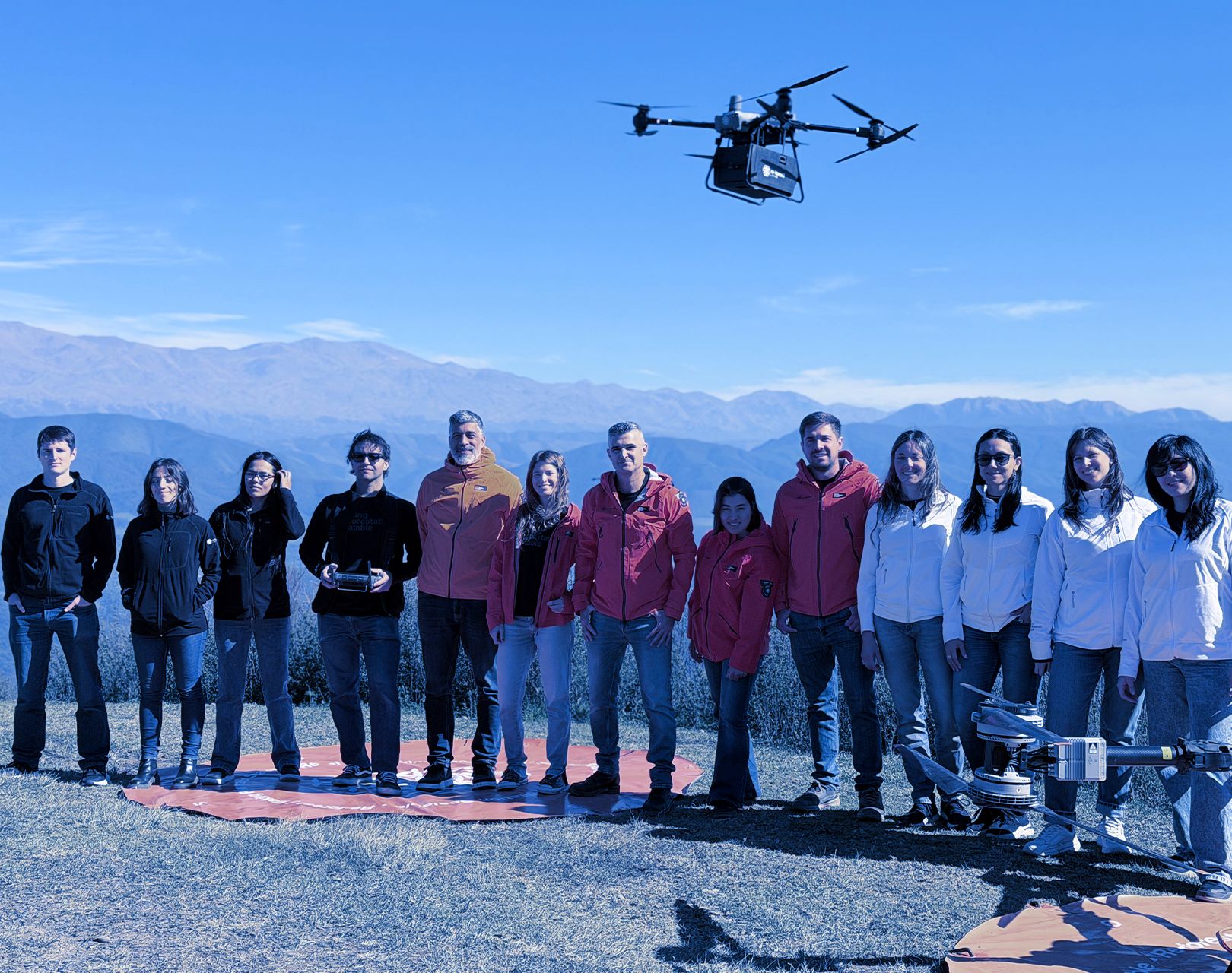
Restoring degraded ecosystems at scale requires more than intervention alone. GLOBALG.A.P. Community Member ReForest Latam is a Nature Tech company that combines biotechnology, drones, and ecosystem analysis to regenerate native forests at scale.
Working across Latin America, the company has developed a solution designed to improve ecosystem integrity by restoring their capacity to provide goods and services while reducing nature-related risks. Its approach combines ecosystem analysis, biotechnologically treated native seeds, aerial dispersal using drones, and ongoing monitoring. They have deployed 14 projects across three countries and six ecoregions, working with more than 50 native species.
Combining science, technology, and native species
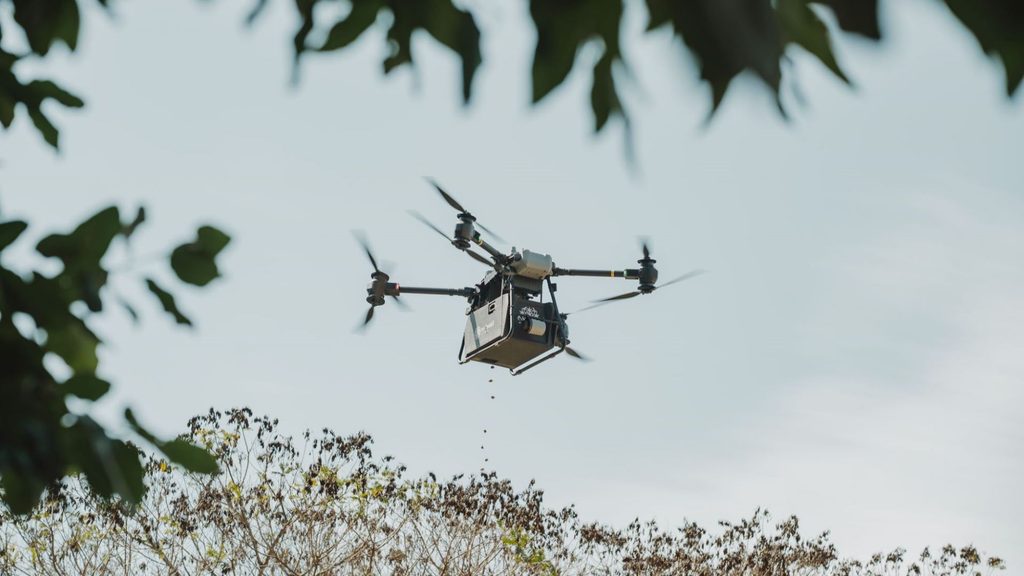
ReForest Latam’s approach begins with an analysis of the ecosystem, assessing factors such as soil, microclimate, canopy cover, and the level of degradation. This information helps determine suitable native species and the appropriate intervention strategy for each area.
Native seeds are then encapsulated using biotechnological treatments designed to improve their performance under field conditions. Drones are used for aerial dispersal, enabling interventions across large areas and in locations that may be difficult to access using conventional methods.
Monitoring and follow-up complete the process. ReForest Latam measures the results and uses the data generated in the reports to refine its models for future interventions.
This methodology has been applied across the Wet and Dry Chaco, Patagonia, Yungas, Cerrado, and Mata Atlântica, giving ReForest Latam experience across ecoregions with very different environmental conditions.
Commenting on the importance of strengthening biodiversity and landscapes over the long term, Damián Rivadeneira, CEO and Founder of ReForest Latam, highlighted: “At ReForest Latam, we see restoration as a tool to rebuild biodiversity, increase landscape resilience, and recover critical ecological functions in degraded areas. Our work is focused on taking that recovery to scale and making it a structural part of land management, creating environmental value and strengthening natural capital over the long term.”
Connecting restoration with responsible production
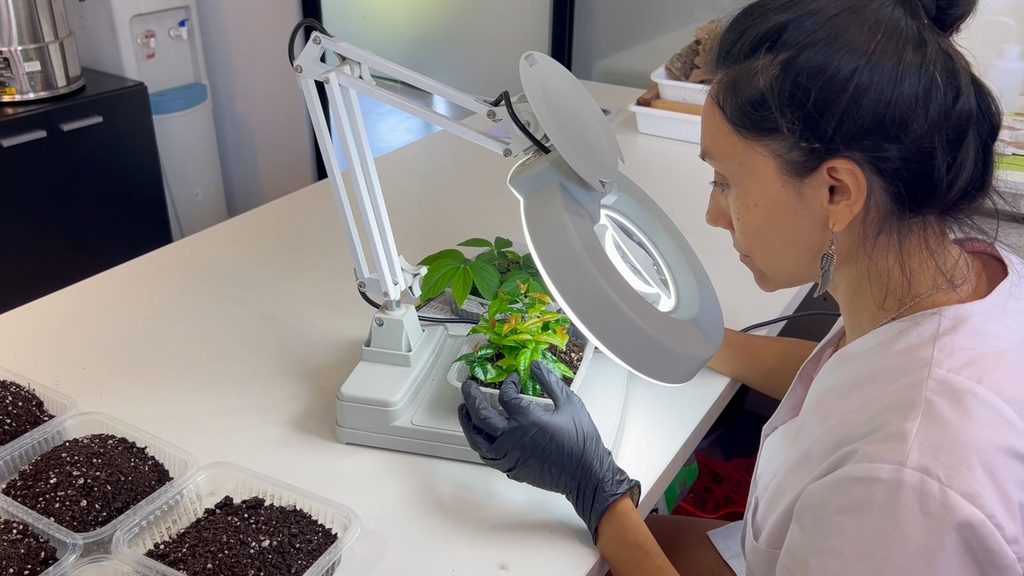
The relationship between agricultural production and surrounding ecosystems is also reflected in the GLOBALG.A.P. Integrated Farm Assurance (IFA) v6 standard. Environmental requirements address biodiversity and habitats, including the protection and restoration of areas of ecological value.
Protecting native vegetation and areas of ecological value can help maintain important ecosystem functions, including water regulation, soil stability, and pollination. Where habitats have been degraded, recovery efforts can help rebuild biodiversity and improve connectivity across the landscape.
IFA v6 also includes biodiversity metrics that help producers track areas dedicated to biodiversity and restoration, creating a clear connection with ReForest Latam’s focus on monitoring, traceability, and measurable evidence.
Speaking about the company’s GLOBALG.A.P. Community Membership, Damián Rivadeneira said: “For us, being part of the GLOBALG.A.P. community means connecting responsible production with forest restoration and nature recovery. At ReForest Latam, we help producers take action, measure progress, and demonstrate real improvements across their landscapes through traceability, monitoring, and verifiable evidence. This enables them to meet certification requirements, align with international standards, and access markets that increasingly demand stronger environmental performance, biodiversity protection, and responsible land management.”
Supporting biodiversity at scale
ReForest Latam’s work closely aligns with Agraya’s focus on scaling regenerative and climate-smart practices. By integrating ecosystem recovery into wider land management approaches, the company is helping create conditions for biodiversity to recover, while strengthening the resilience of the natural systems on which agriculture depends.
Related links:
- Learn more about IFA and other GLOBALG.A.P. solutions
- Understand more about our impact areas and claims
- Explore the benefits of GLOBALG.A.P. community membership
