

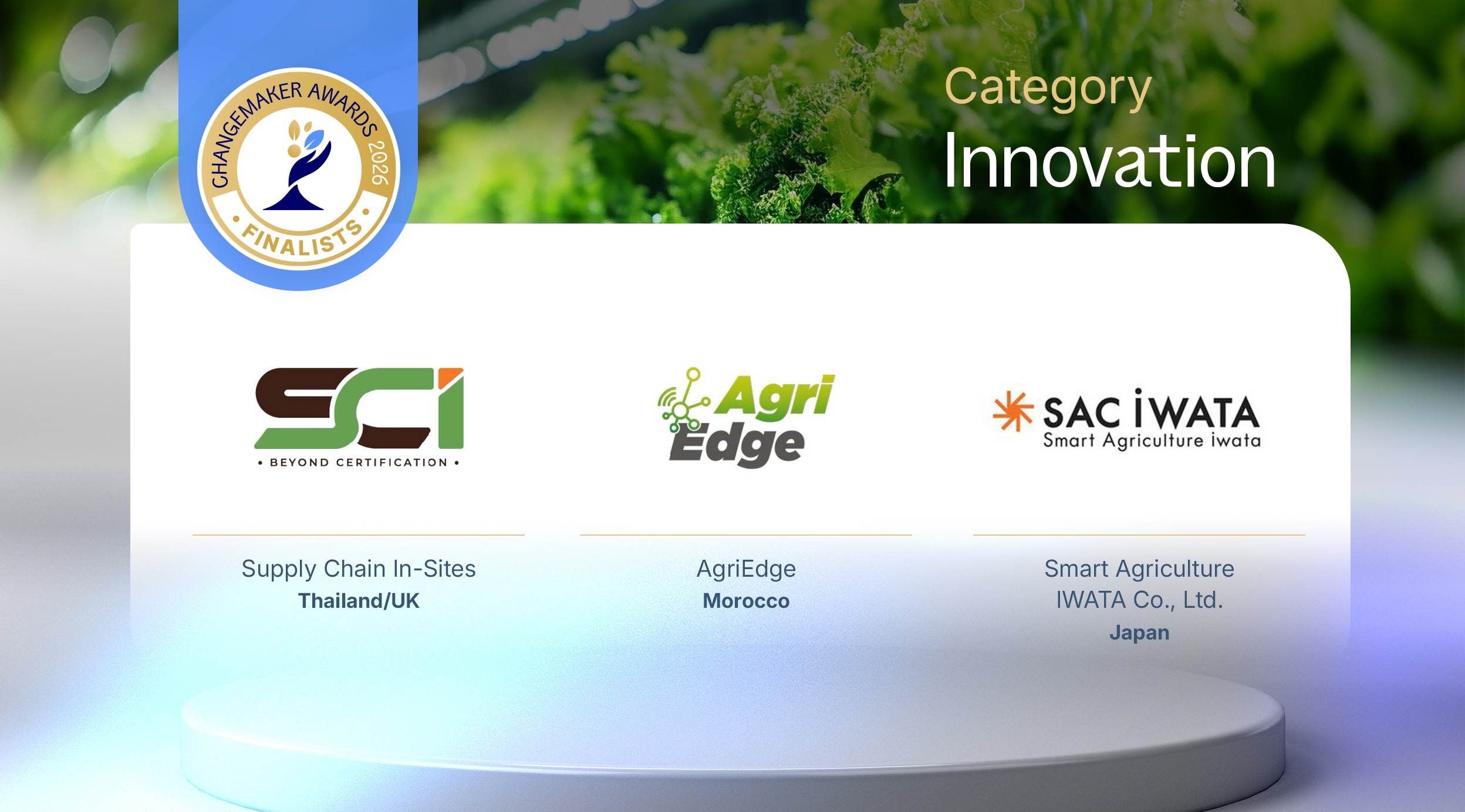
Tools and technology are changing what is possible in the field of agriculture. For women in agriculture, the barrier is not a lack of technology, but limited access to training, equipment, and hands-on support that can turn a new tool into a usable skill.
The Changemaker Award 2026 for Innovation looks at initiatives working to close that gap. It recognizes innovations that tangibly improve women’s ability to farm more effectively, such as tools, apps, equipment, or on-farm technology that enhance productivity.
AgriEdge, Morocco: Training women to pilot agricultural drone
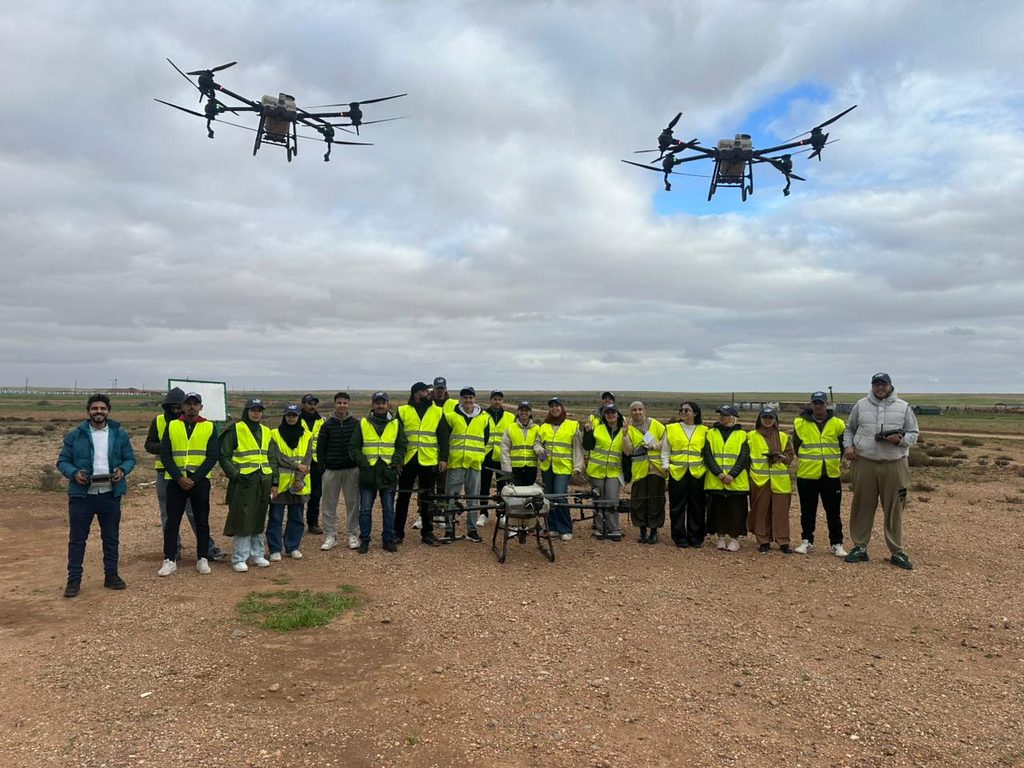
The initiative trains women in drone piloting, crop monitoring, precision spraying, field analysis, mission planning, safety, maintenance, and reporting. The aim is to help women move from manual, seasonal, or unpaid agricultural roles into technical positions such as drone pilots, technicians, precision agriculture operators, and rural service entrepreneurs.
Approximately 20 women have already completed the training. Alongside technical skills, the program provides practical field experience and professional guidance, helping participants develop the skills needed to work with farms, cooperatives, agri tech companies, or rural service businesses. The initiative also aims to expand nationally and eventually across Africa.
“Being named a finalist for the Agraya Changemaker Awards is a meaningful recognition of our belief that agricultural innovation creates its greatest value when it also creates opportunity. Through AgriEdge’s Women Drone Pilots initiative, we are opening an emerging agri tech profession to women through hands-on training in agricultural drone technology and precision farming,” states Fatima Zohra El Aiboude, Head of Growth Strategy & Innovation.
The training is designed to lead women into new roles and positions that did not previously exist as career paths for them.
Smart Agriculture IWATA, Japan: Using automation to make farming more flexible
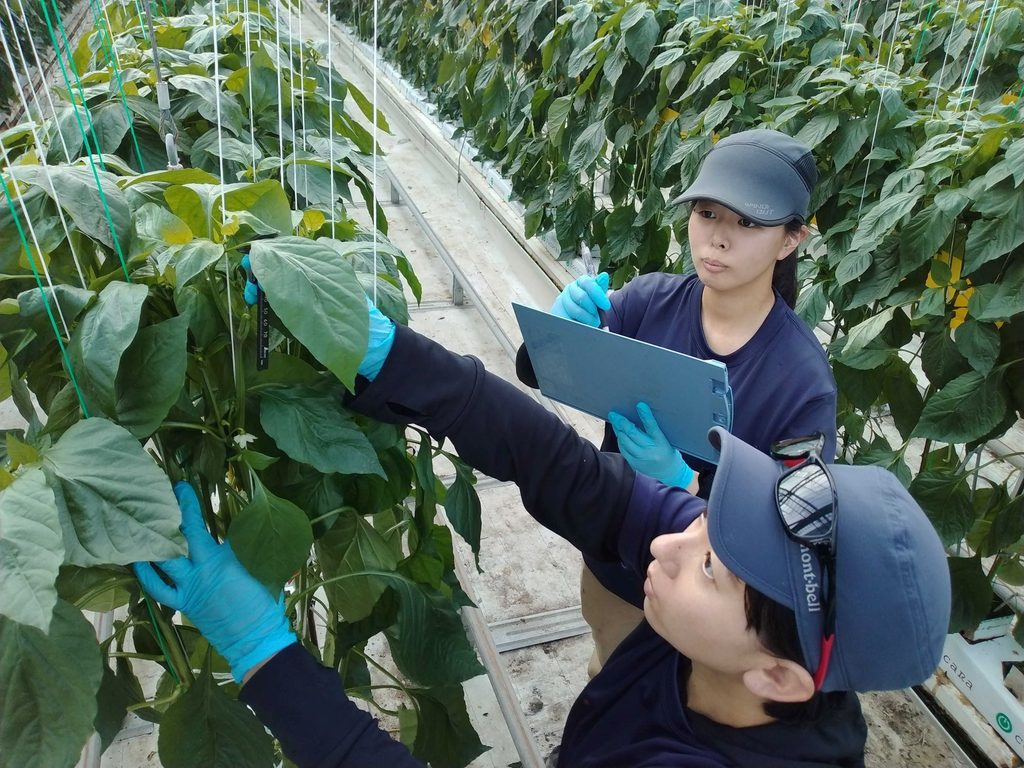
Smart Agriculture IWATA is combining automation, data, and human resource development to address some of the challenges facing the country’s agricultural workforce, including an aging population, labor shortages, and the physical demands of farming.
The farm uses automated environmental control and data-based cultivation methods to reduce reliance on individual experience and make production more consistent. It has allowed substitute workers to maintain stable production during long absences, including maternity leave. During the energy-price pressures following the outbreak of the war in Ukraine, the system also helped reduce natural gas use by 40%. The company has secured Japan’s first functional claim for GABA in paprika, adding value to its production.
“This award is an important recognition of our efforts to create a more sustainable future for agriculture. Our next step is to expand this model to more farms and regions. We have already begun applying the approach to tomato production. Our goal is to demonstrate that agriculture can be a sustainable and attractive profession that combines professional expertise with flexible ways of working, while helping farming communities address labor shortages, an aging farming population, and succession challenges,” comments Sachiko Ohashi, Smart Agriculture IWATA.
The company reports that women now hold 66% of all roles and 50% of frontline leadership positions, supported by real maternity and childcare leave, annual leave comparable to other industries, and the option to work remotely when needed.
Supply Chain In-Sites – Thailand: Using data to better farm practices
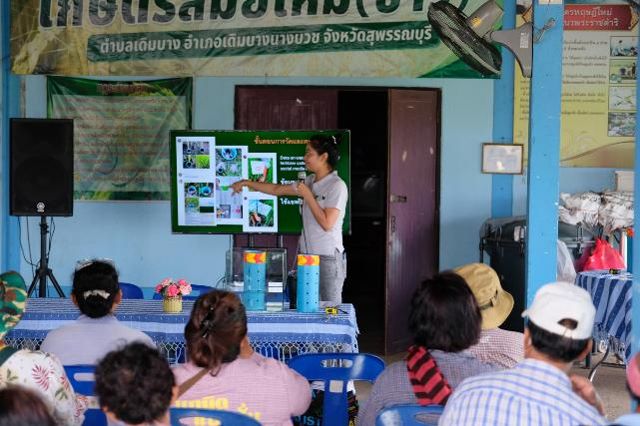
Supply Chain In-Sites developed the SCI Low Carbon App, which allows farmers to record evidence of their farming practices using images and geolocation while collecting data for emissions calculations. A two-way messaging function also enables continuous monitoring and immediate corrective action.
In its first year, the initiative reports a verified 36% reduction in carbon emissions, alongside a 25% reduction in water use and improved control over plant protection products. Farmers also receive payment for using the app, in addition to the guaranteed purchase of their rice. Compliance levels have reached more than 97%.
“Being recognized as a Changemaker finalist is hugely important to SCI because the project demonstrated that credible assurance can be delivered at scale without creating unnecessary complexity for farmers. Having successfully expanded the approach to hundreds of farmers, our ambition now is to build on the learning and apply real-time assurance to more farmers, commodities, and supply chains globally,” says Robert Chester, CEO.
Women also play a central role in the model: All local leads for the farmer groups are women, as is the Operations Manager who runs farmer workshops, described by the team as a pioneer of the application of “smart farming.”
Announcing the winner at AGRAYA SUMMIT 2026
The Changemaker Award for Innovation winner will be announced at the AGRAYA SUMMIT 2026 in Bologna, Italy, on 28 October.
Join us at the SUMMIT to find out who will receive the award.
Related links
- Find out more about the Changemaker Awards 2026
- Learn more about AGRAYA SUMMIT 2026
- Join us at SUMMIT 2026 to personally meet Agraya’s technical experts at the Solution Hub
