


Over 300 attendees from 45 countries came together in Bologna, Italy, for AGRAYA SUMMIT 2026, bringing diverse perspectives, practical experiences, and shared ambitions for the future of agriculture.
Held on 27–29 October at the Bologna Congress Center and farms across the Emilia-Romagna region, the event featured 53 speakers across 30 sessions, exploring topics ranging from future farming and international trade to artificial intelligence (AI), technological innovation, farm assurance, and collaboration.
Throughout the two days, conversations extended beyond the conference stage, creating opportunities to exchange ideas, challenge assumptions, and build new connections. One message emerged across the discussions: meaningful progress in agriculture requires more than ambitious commitments. It depends on understanding farming realities, working together, and turning ideas into practical action.
Looking to the future of farming
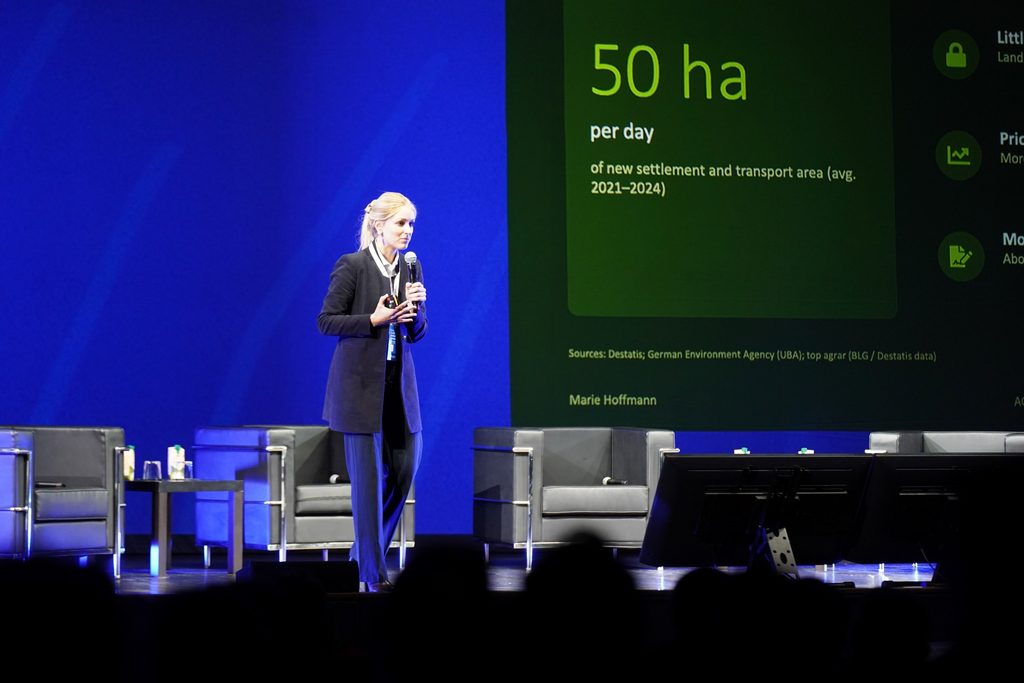
Farmer, agricultural economist, and entrepreneur Marie Hoffmann brought firsthand farming experiences to the stage in her keynote, Future of farming: New technologies, regenerative approaches and the power of communication.
As a female farmer, Hoffmann offered a personal perspective on the challenges women still face in agriculture, from being recognized as decision-makers to having equal opportunities to manage farms. Having established her own farming business, she also shared her experience of building a resilient farming operation.
Drawing on her experiences managing farms in Germany, Hoffmann shared how she combines regenerative farming practices with emerging technologies. One example was using drones to sow cover crops into standing wheat, reducing soil disturbance and cutting seeding time from eight to ten hours to just 40 minutes on an eight-hectare field.
She also discussed testing agricultural robots for mechanical weed control and precision spraying technologies that reduced crop protection product use by approximately 95% in one trial. However, not every innovation delivered the expected results, highlighting the importance of testing technologies under real farming conditions.
Beyond technology, Hoffmann emphasized the importance of communicating farming realities to wider audiences through social media, sharing both the opportunities and challenges of modern agriculture.
Putting farmers at the center of the conversation
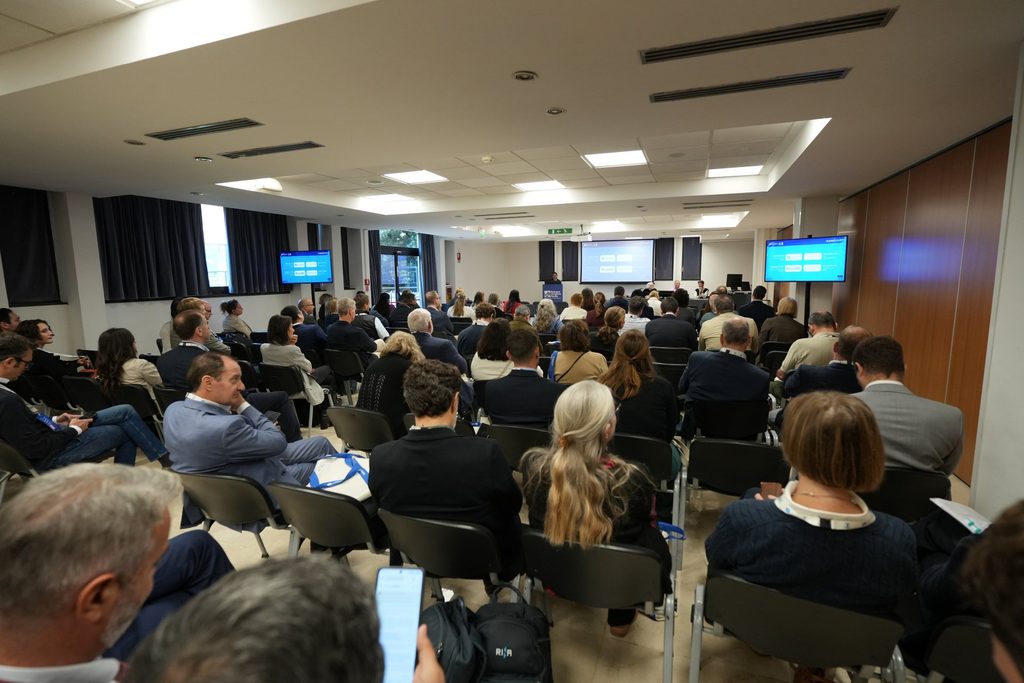
The relationship between global decisions and local farming realities was another recurring theme. In Beyond the border: How global policy decisions shape local agriculture, panelists examined how international trade policies, changing regulations, and evolving market requirements influence agricultural production and market access.
The discussion highlighted the pressures producers face when navigating trade uncertainty, rising costs, and differing requirements across markets. It also raised questions about how responsibilities and costs are distributed along the supply chain, emphasizing the importance of stronger dialogue between policymakers, buyers, and producers to develop requirements that are both practical and economically viable.
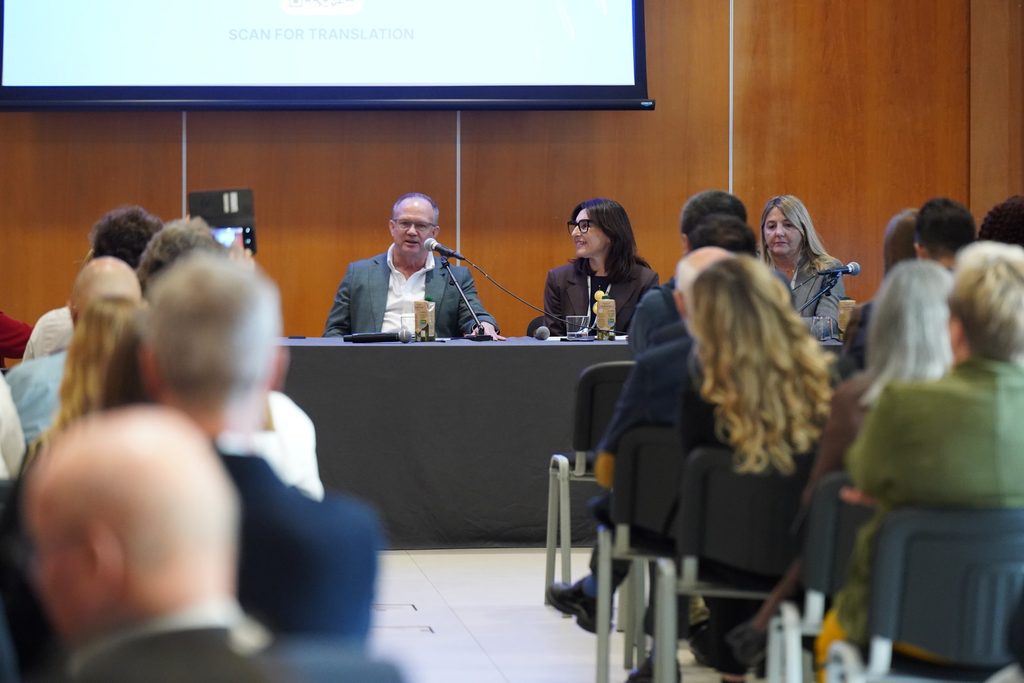
The importance of involving producers in decisions that directly affect their businesses was also explored in Farmer-led advocacy and action: Aligning policies, market standards, and farming realities.
Mercedes Jaffe of Driscoll’s shared an example from Portugal, where growers worked with local authorities and other stakeholders to develop housing requirements for seasonal agricultural workers. The initiative addressed local housing challenges while considering environmental protection and the needs of the farming community.
Jaffe also highlighted a project in Morocco that improved agricultural workers’ access to social security benefits. Rather than focusing solely on registration figures, the initiative worked with workers, growers, and authorities to make the benefits more accessible.
Philippe Binard of Freshfel Europe emphasized the importance of avoiding overlapping requirements and developing practical, economically viable frameworks that reflect producers’ realities.
Together, these discussions demonstrated how listening to farmers and involving them in decision-making can lead to more practical solutions and meaningful improvements.
Recognizing the voices shaping agriculture
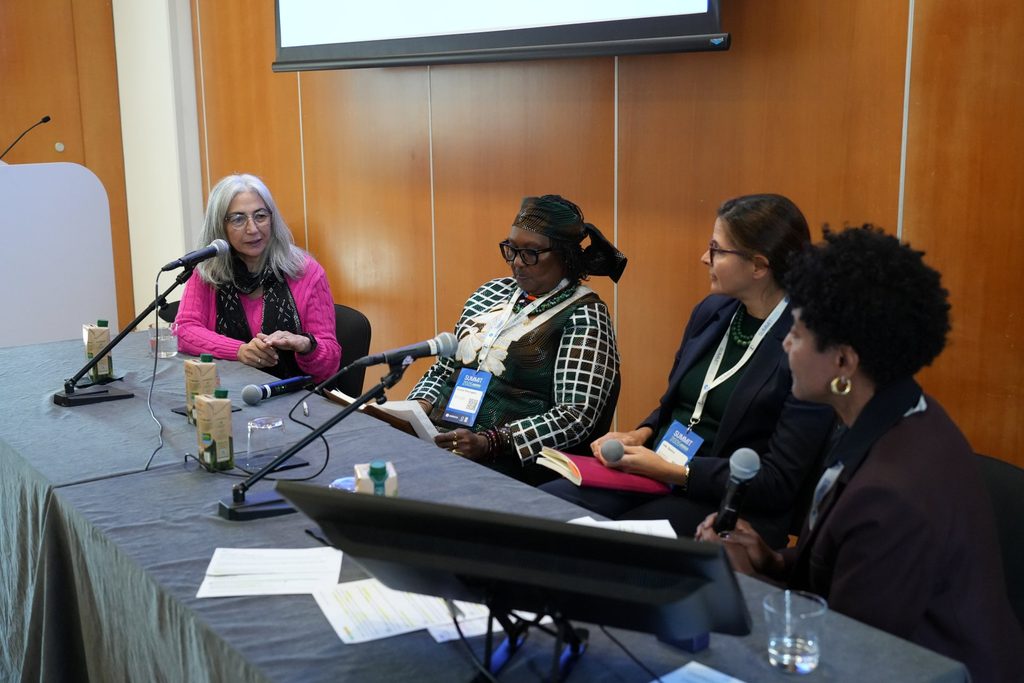
The importance of inclusion featured prominently throughout the SUMMIT, reflecting the United Nations International Year of the Woman Farmer.
In Catalysts for change: Inclusion as a driver for sector transformation, speakers explored how women’s existing contributions to agriculture can translate into greater influence and economic opportunities.
Eunice Mwongera of Hillside Green shared how women’s savings groups and community networks in Kenya can provide a foundation for collective business opportunities, helping farmers strengthen their negotiating power and access export markets.
Manal Saleh of Blue Moon highlighted the influence women can have even without formal decision-making roles. She described how engaging women in Egyptian farming communities about the risks of pesticide residues on work clothing helped encourage changes in household farming practices.
Inês Bastos of COLEAD emphasized that inclusion requires more than participation. She highlighted the importance of creating conditions for women to progress into positions of influence, noting how small, cumulative changes can contribute to wider transformation.
The discussion highlighted that meaningful inclusion goes beyond participation. It requires recognizing women’s existing contributions and creating opportunities for them to shape decisions, strengthen their livelihoods, and influence the future of agriculture.
Exploring the potential of technology and AI
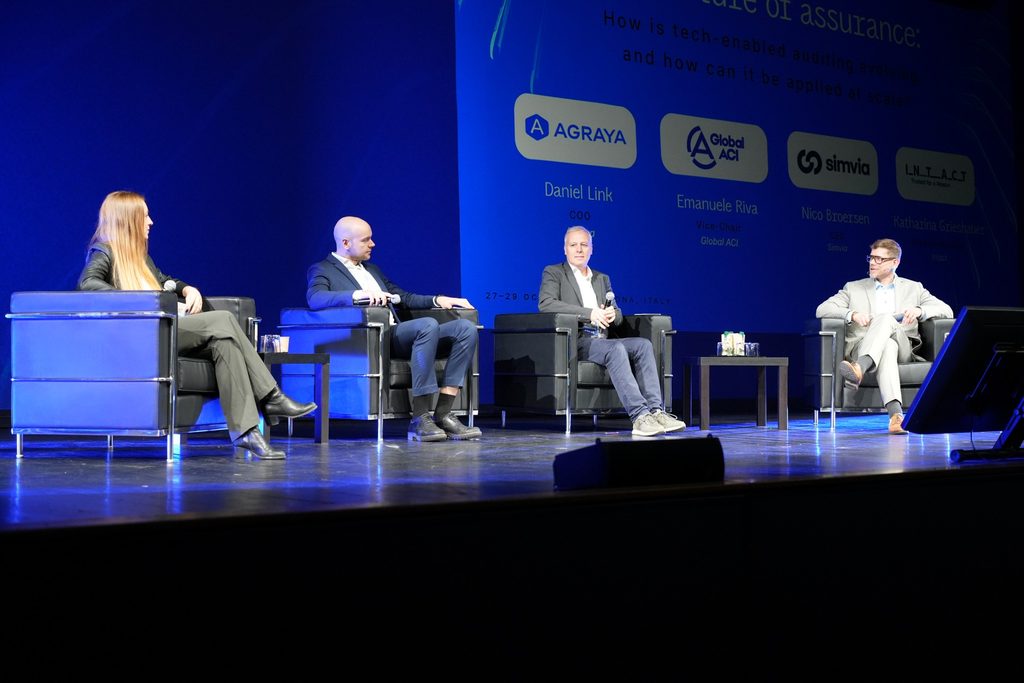
Technology and AI generated considerable discussion throughout the SUMMIT, with speakers examining how digital tools could support agricultural production and assurance.
In The future of assurance: How is tech-enabled auditing evolving, and how can it be applied at scale?, representatives from Global ACI, Simvia, and Intact explored how digitalization could make auditing more efficient, reduce duplication, and improve the use of verified data across supply chains.
Panelists discussed a shift from scheduled audits toward more risk-based approaches, where reliable data could help identify areas requiring greater attention. AI could also support auditors by identifying patterns, highlighting potential risks, and reducing time spent on documentation, allowing more focus on assessments and direct engagement with producers.
However, the discussion also highlighted the importance of data quality, interoperability, and human oversight. While technology can support more efficient assurance processes, the panel emphasized that professional judgment and on-site assessments remain essential to maintaining trust and credibility.
Turning shared ambitions into action
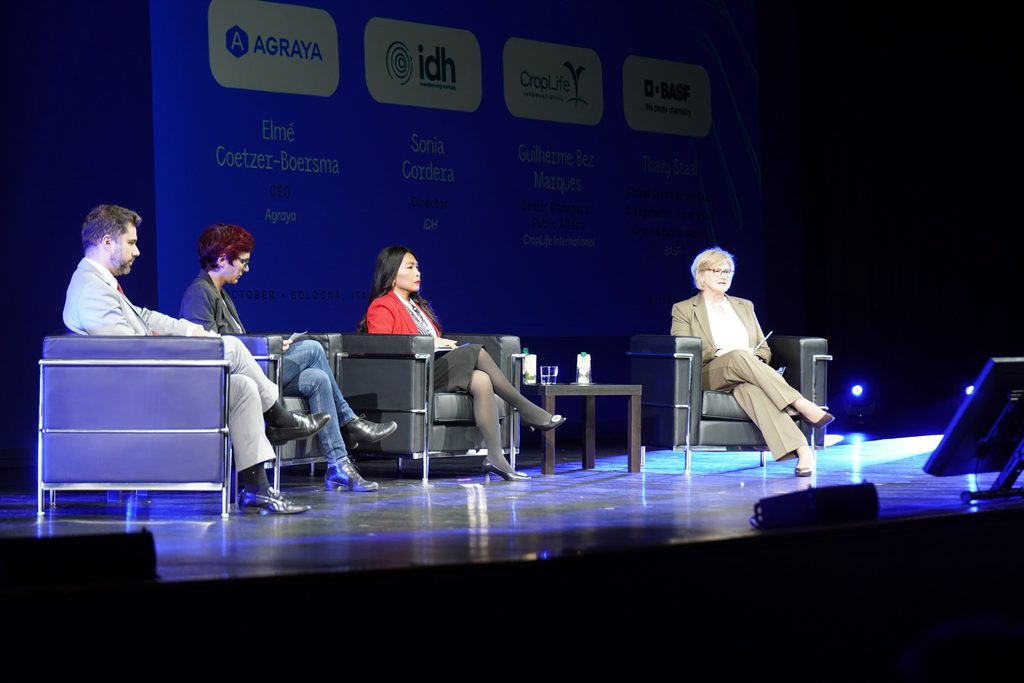
Collaboration was a central theme of the SUMMIT, particularly during Stronger together: How can cross-sector collaboration harness the power of shared purpose?, moderated by Agraya CEO Elmé Coetzer-Boersma.
The panel brought together representatives from BASF, IDH, and CropLife International to explore how businesses, producers, and other stakeholders can work together to address challenges that cannot be resolved by individual organizations alone.
For Thavy Staal, Global Crop System Fruit & Vegetables, Food Value Chain & Sustainability at BASF, successful innovation begins with understanding farmers’ needs. “Start with the farmer’s challenge, not with the solution. Innovation scales when it delivers real economic and agronomic value, fits naturally into how farmers work, and connects rather than adds complexity.”
This emphasis on practical collaboration was echoed by Guilherme Bez Marques, Public Affairs Senior Manager at CropLife International: “Progress happens when we turn shared purpose into practical solutions that work for farmers. CropLife International’s Sustainable Pesticide Management Framework (SPMF) is one example of how bringing together industry, governments, regulators, farmers and other partners can create the enabling environment needed for innovation and better practices to deliver results on the ground. Ultimately, collaboration should help us advance food security, viable farmer livelihoods and environmental sustainability together.”
The panel also highlighted a collaborative project in Kenya to develop personal protective equipment suited to hot and humid working conditions. By involving farmers in testing prototypes, the project partners were able to adapt the equipment to their needs.
Together, these examples demonstrated how collaboration can translate shared objectives into practical approaches, particularly when producers are actively involved in developing and implementing solutions.
Building on the conversations in Bologna
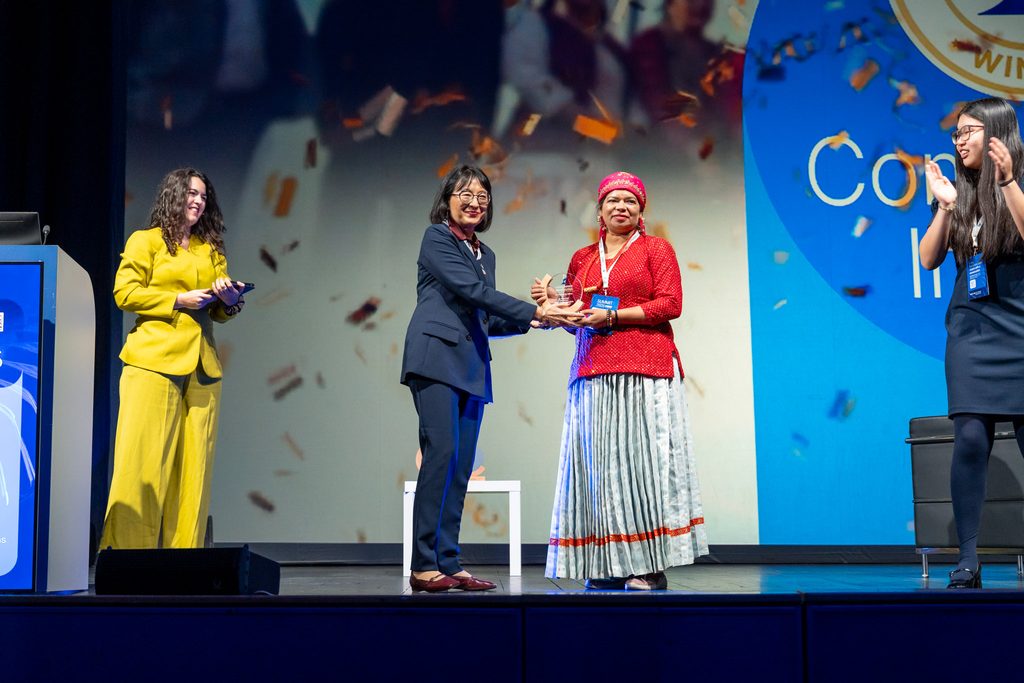
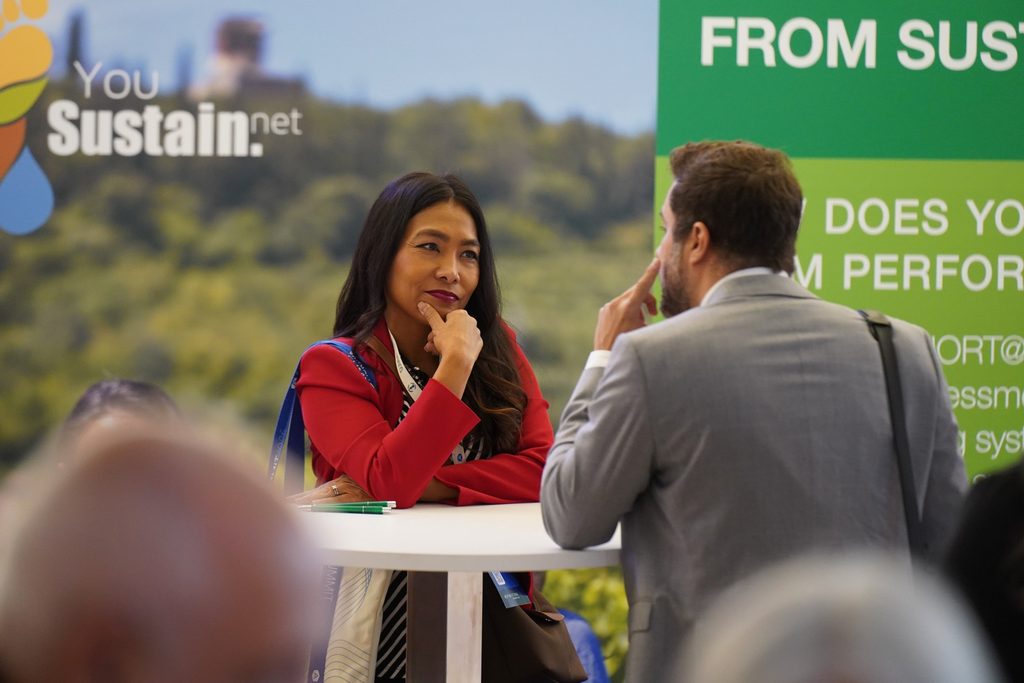
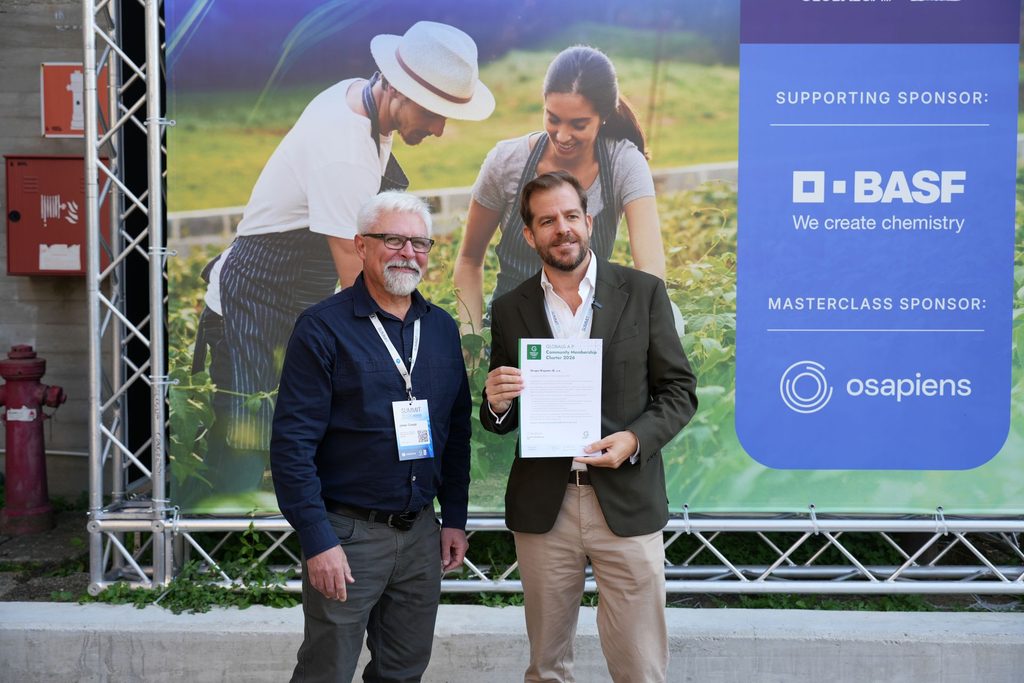

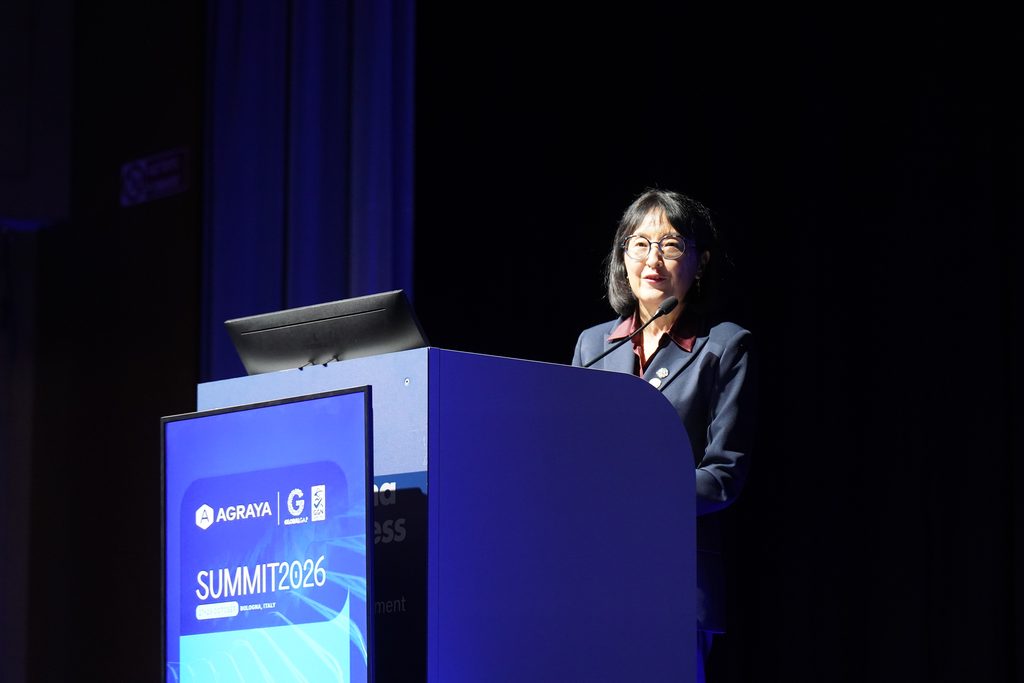
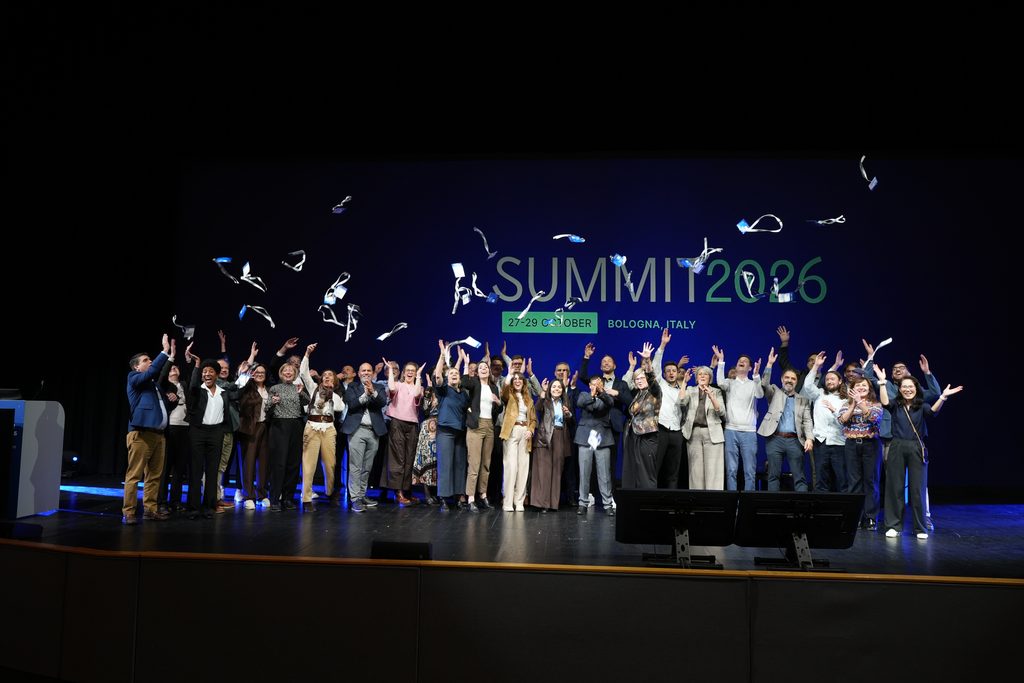
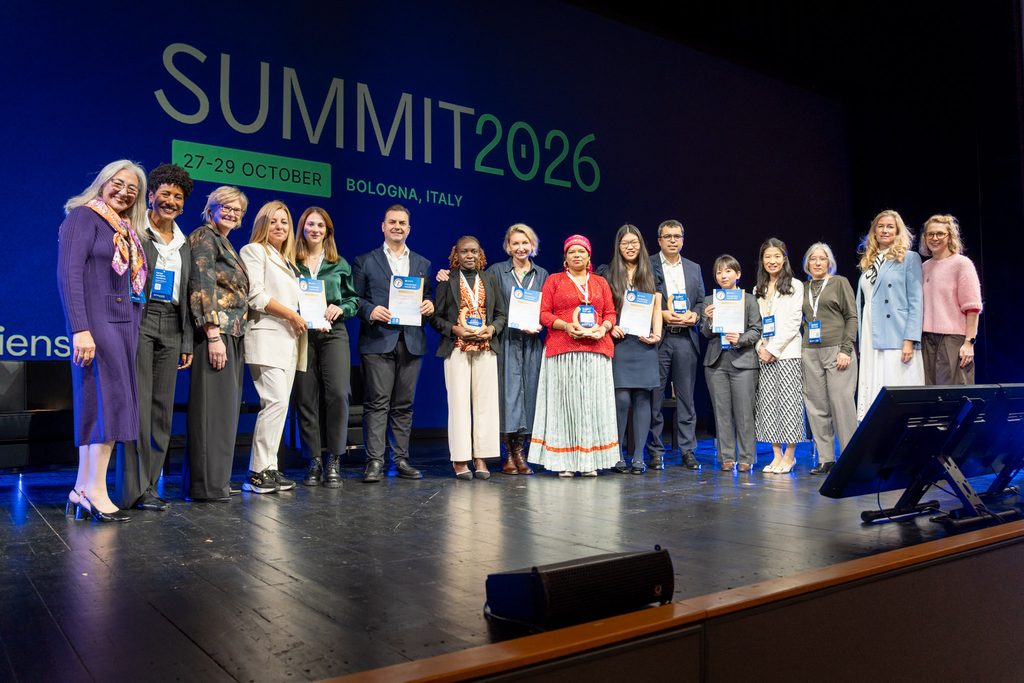

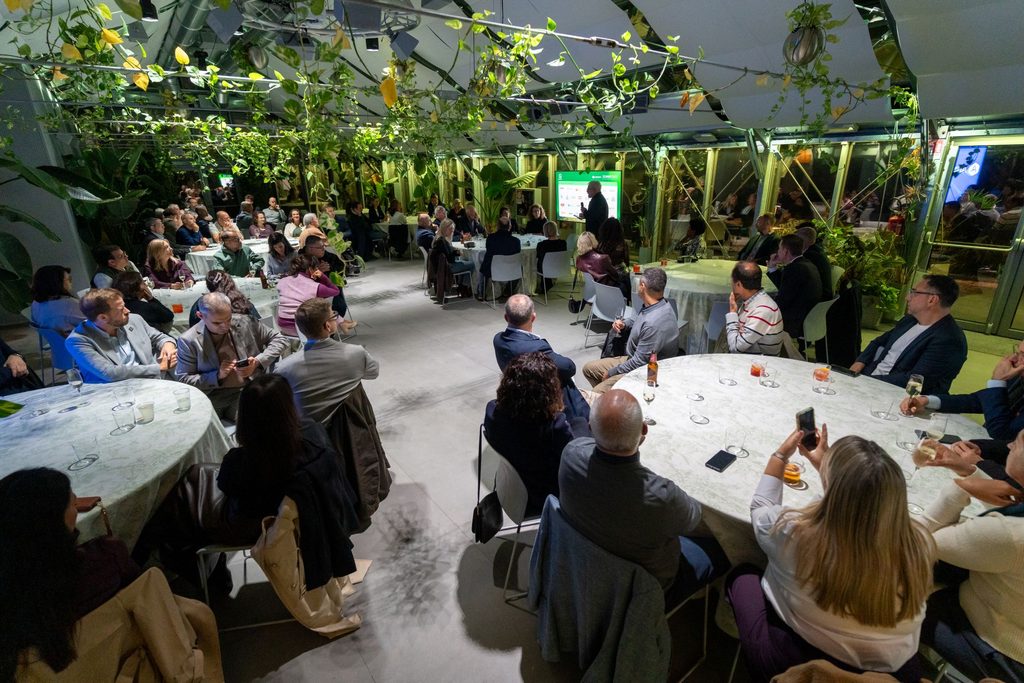
Reflecting on the event, Agraya CEO Elmé Coetzer-Boersma emphasized the importance of building on the conversations and connections established in Bologna.
“This year’s SUMMIT exceeded all my expectations. The quality of the speakers, the relevance of the discussions, and the networking opportunities were outstanding. What became clear is that now is the time to turn ideas into action and translate commitments into practical solutions.
“AI and technology can support this process, but it is people and partnerships that will make it happen. Agraya has an important role to play in bringing stakeholders together, aligning priorities, and supporting collective action. The significant contribution of women in agriculture is undeniable, and creating more equitable agricultural supply chains must remain a priority.”
Beyond the discussions, AGRAYA SUMMIT 2026 provided opportunities to strengthen existing relationships, establish new connections, and explore possibilities for future cooperation.
The event demonstrated the value of bringing different voices together, not only to discuss the challenges facing agriculture, but also to identify opportunities for practical progress.
We extend our appreciation to all attendees, speakers, partners, and sponsors, including BASF, osapiens, North Bay Produce, and SOHISCERT, for their contributions to AGRAYA SUMMIT 2026.
