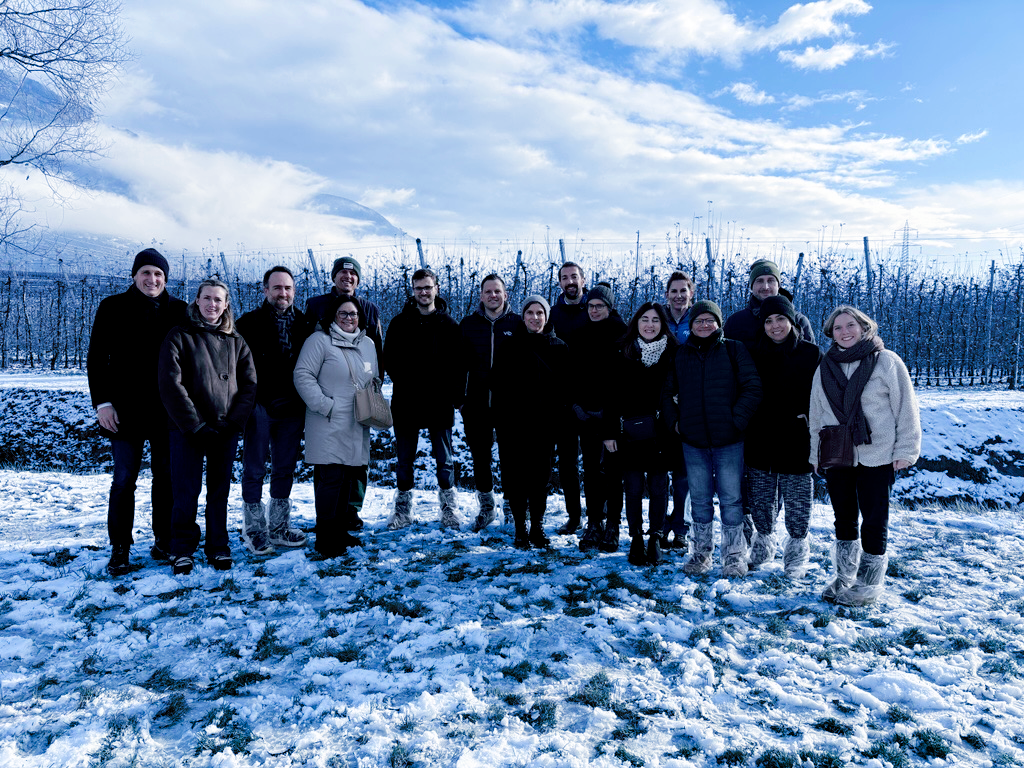
In late 2025, Agraya representatives participated in a strategic visit to Italy to support the implementation of the Sustainable Program for Irrigation and Groundwater Use (SPRING) add-on and engage with key stakeholders.
The visit brought together producers, retailers, technical experts, and members of the National Technical Working Group Italy for field visits and discussions. The primary objectives were to enhance alignment on the SPRING add-on implementation, improve understanding of the Italian agricultural context, and facilitate direct technical exchange.
Stakeholder dialogue and retailer perspectives
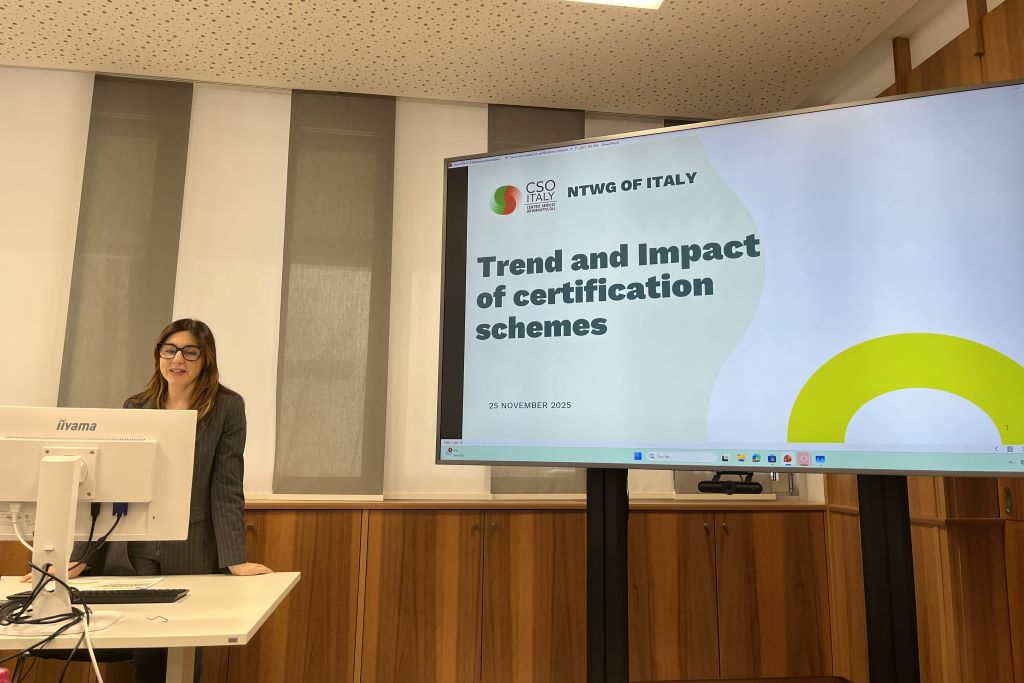
Participation from Lidl International and its buying agency Fruit Service contributed valuable insights into retailer expectations, traceability requirements, and opportunities for future collaboration within agricultural supply chains. These exchanges supported a shared understanding of how the SPRING add-on can respond to both production realities and market demands.
Field visits and technical exchange
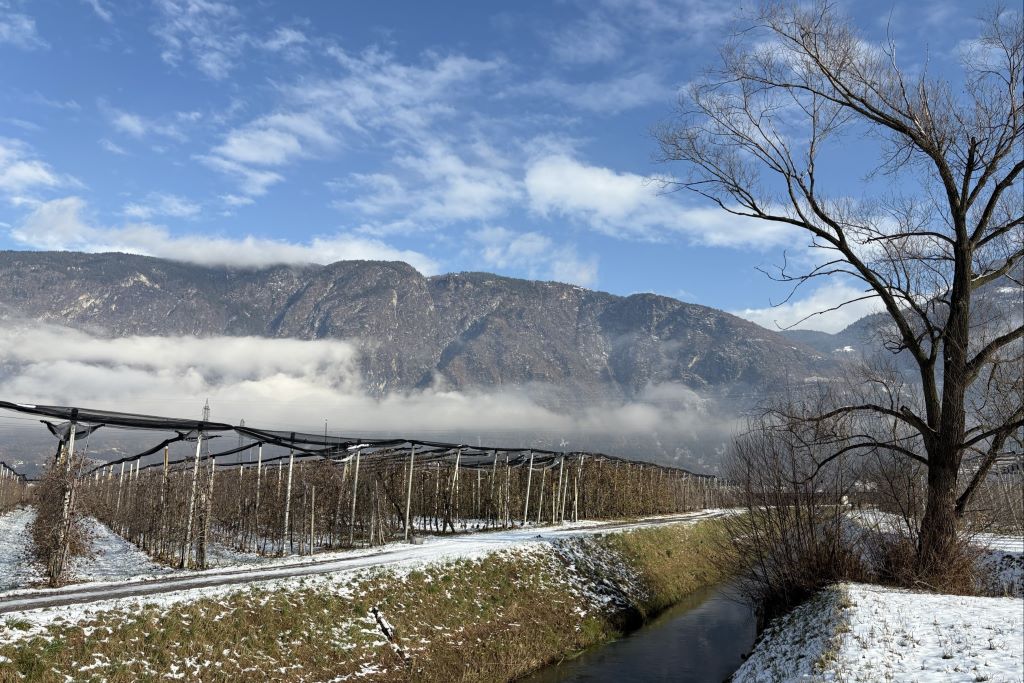
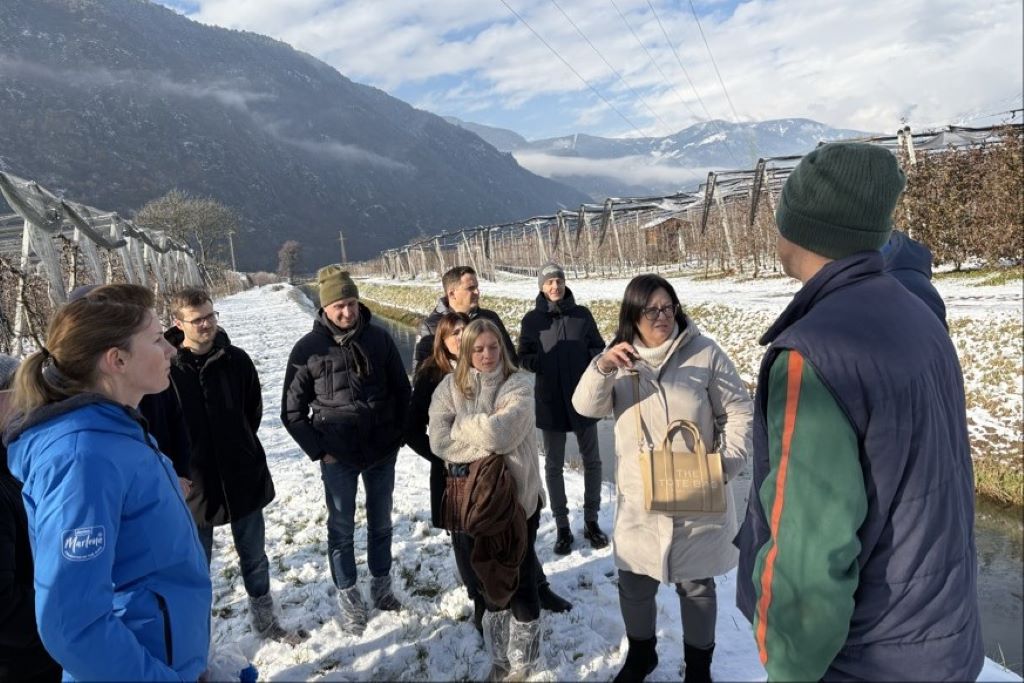
Field visits to VOG in Bolzano and Agrintesa in Faenza provided practical insight into smallholder farm operations, traceability systems, and water management practices. The visits also highlighted the operational realities of handling apples, pears, and plums.
In-person discussions enabled clarification of the objectives and requirements of SPRING v2, allowing producers and partners to address questions directly with Agraya experts.
Agraya is committed to developing robust standards and ensuring that our solutions remain both future-oriented and practically feasible for producers across the value chain. Feedback and observations collected during the visit informs the ongoing work on SPRING v2.1, supporting adjustments that maintain environmental credibility while ensuring feasibility for producers. The visit confirmed the importance of direct stakeholder engagement in advancing the effective implementation of solutions and initiatives.
Related links:
- Learn more about SPRING
- Find out more about NTWGs
- Learn more about Agraya and what drives us
- Subscribe to our newsletter for the latest news and updates