

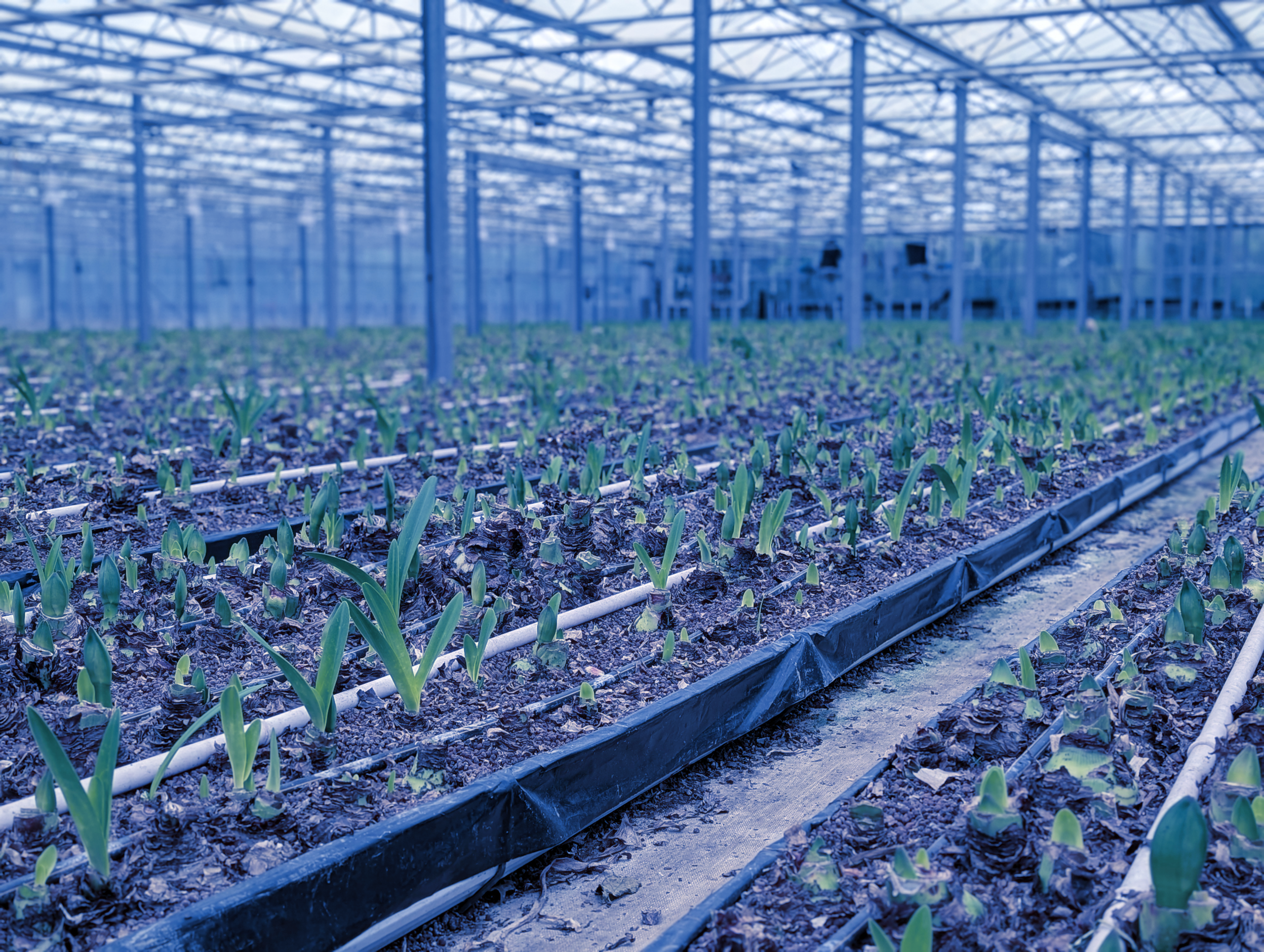
In October 2025, a cross-departmental team from Agraya GmbH visited a series of farms across the Cologne–Düsseldorf region in western Germany. The visits spanned production, storage, and packing facilities for a wide variety of products in the fruit, vegetable, and ornamentals sectors – granting unique insights into the experiences of local producers.
Challenges for family farms
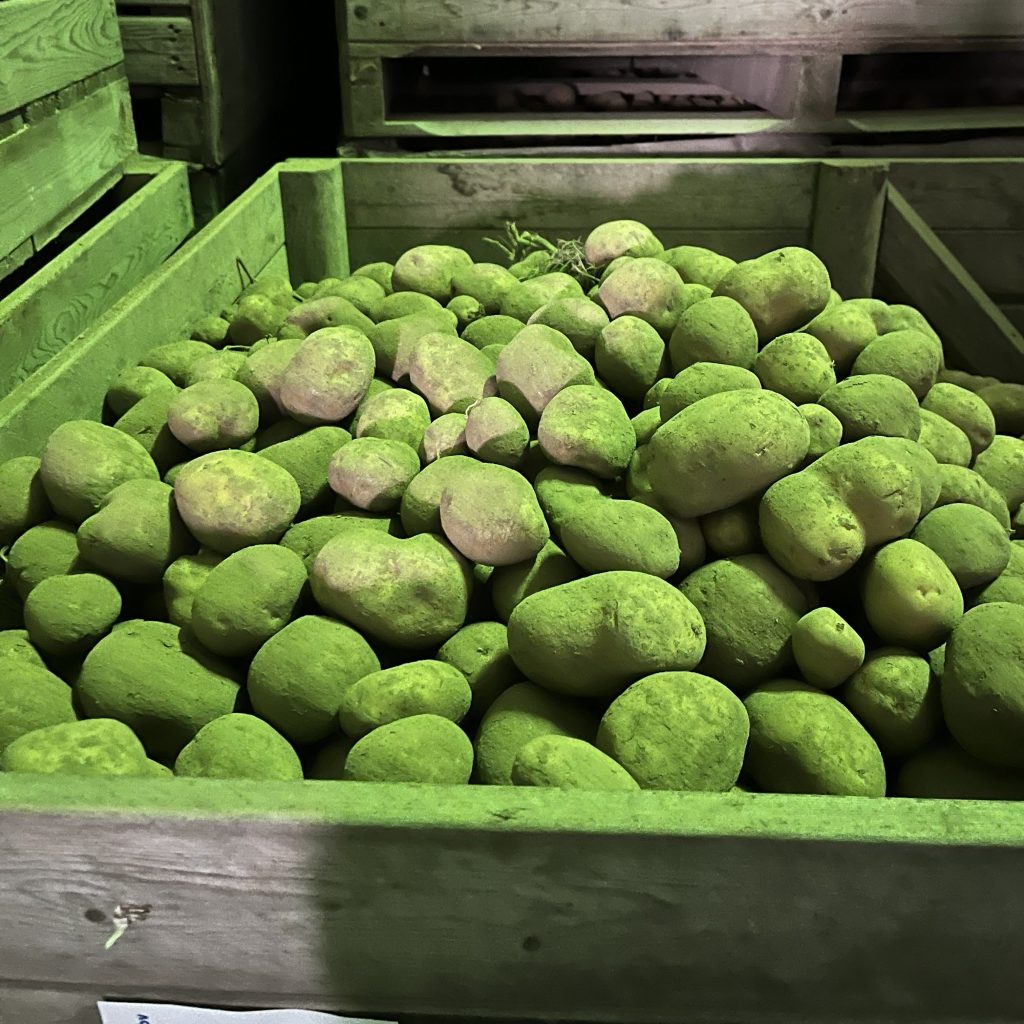
The visit commenced with a tour of Alois Keutmann GbR, a potato farm with over 90 hectares located in the village of Linnich. Founded in 1860, and with the business still operated by the Keutmann family, production has pivoted from traditional crops such as wheat, barley, and sugar beet to potatoes. The production area has doubled in size since 1990, and in recent years has introduced climate-controlled storage technology for their variety of potato crops.
The Keutmann family highlighted recent market dynamics, with the majority of their produce destined for Belgium due to their close proximity to the border. They highlighted the impact of fluctuating weather conditions on crops, as well as raising the issue of plant protection product control in relation to crop diseases and the complexities in demonstrating compliance while maintaining plant health.
Importance of local associations
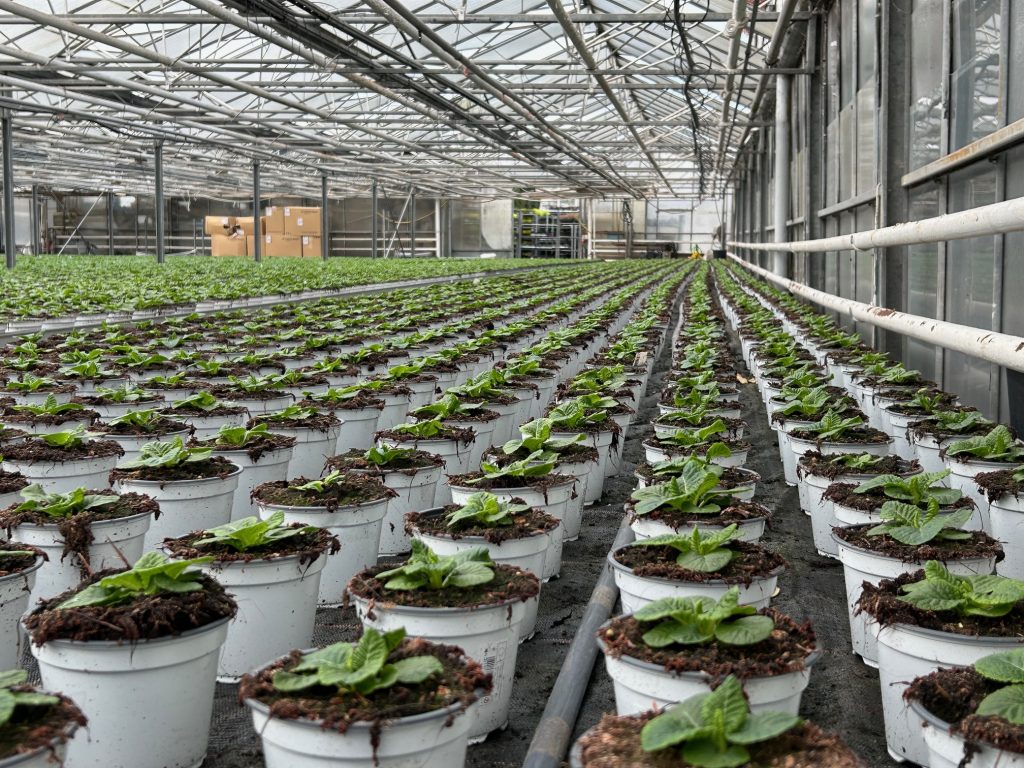
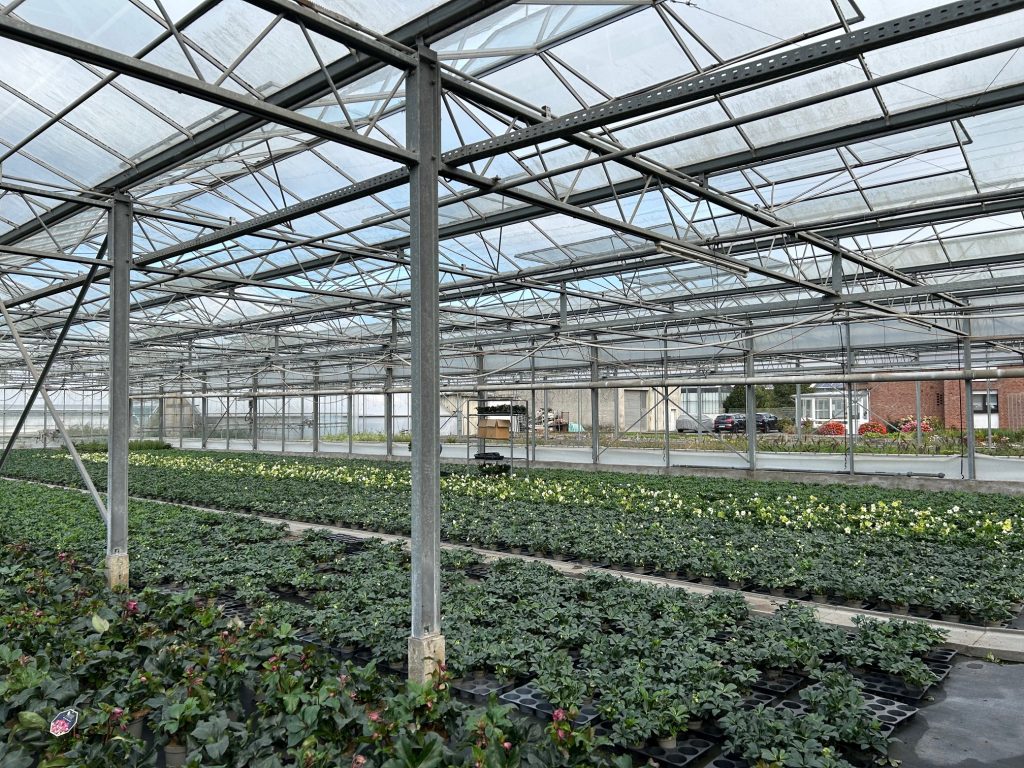
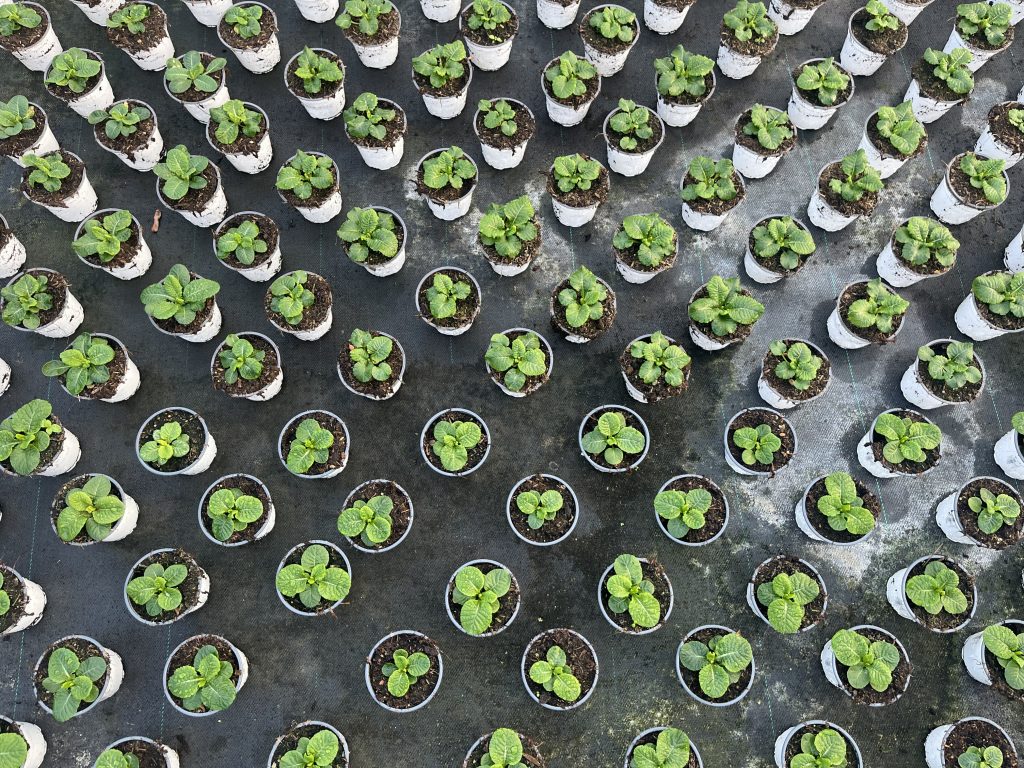
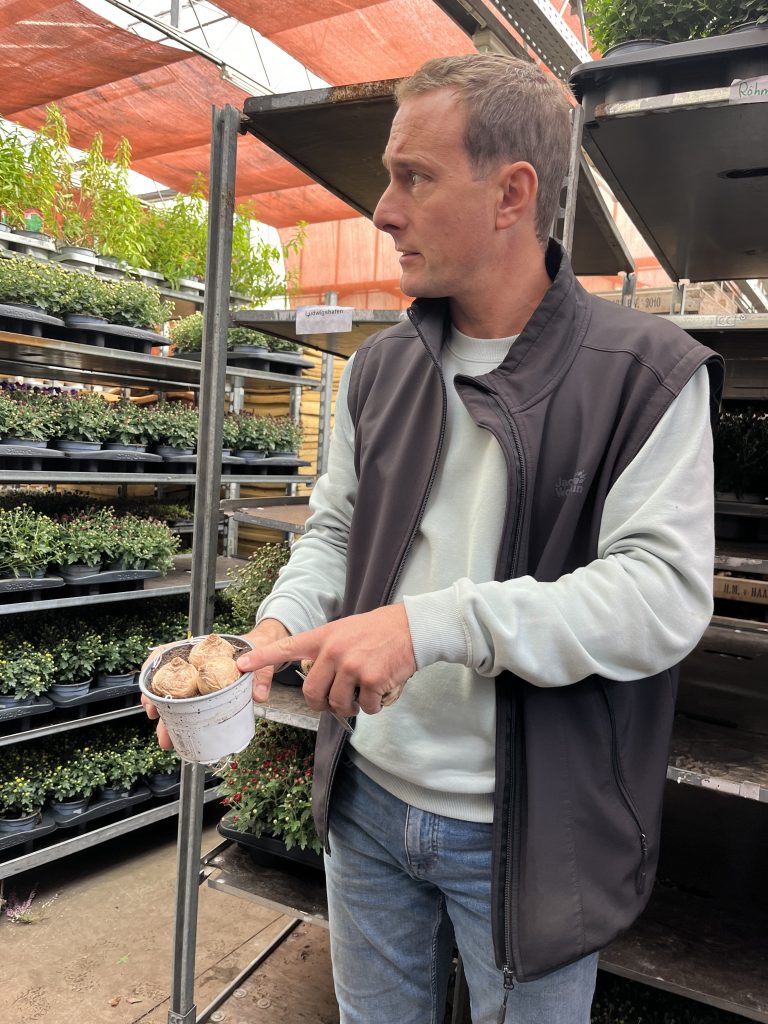
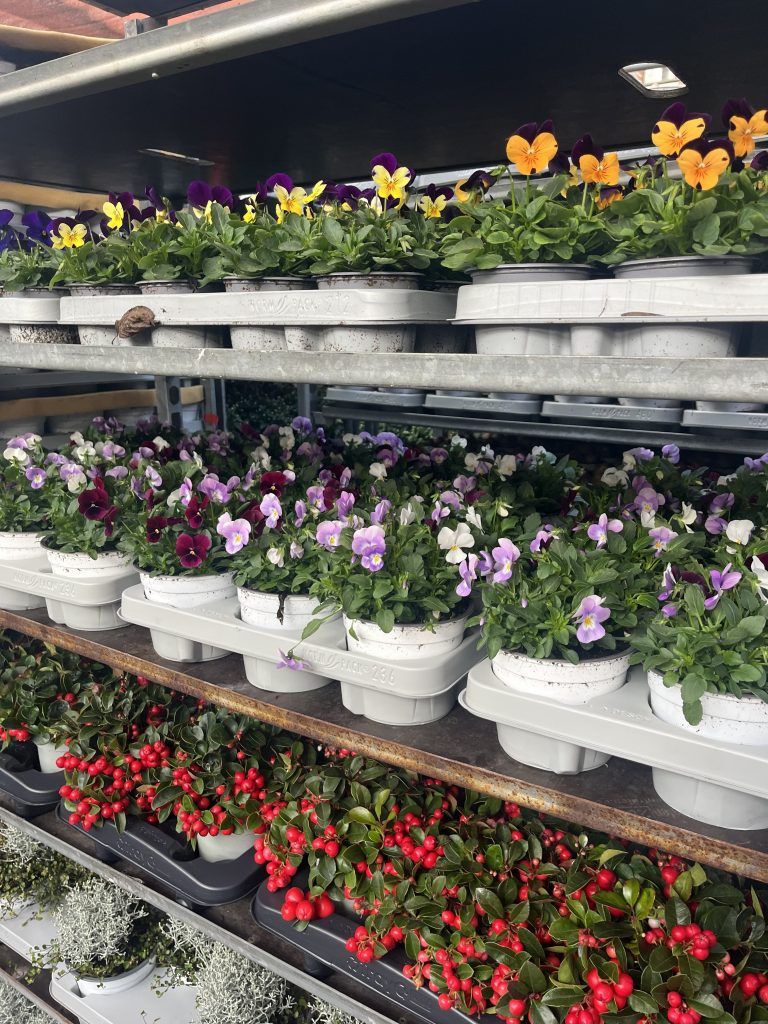
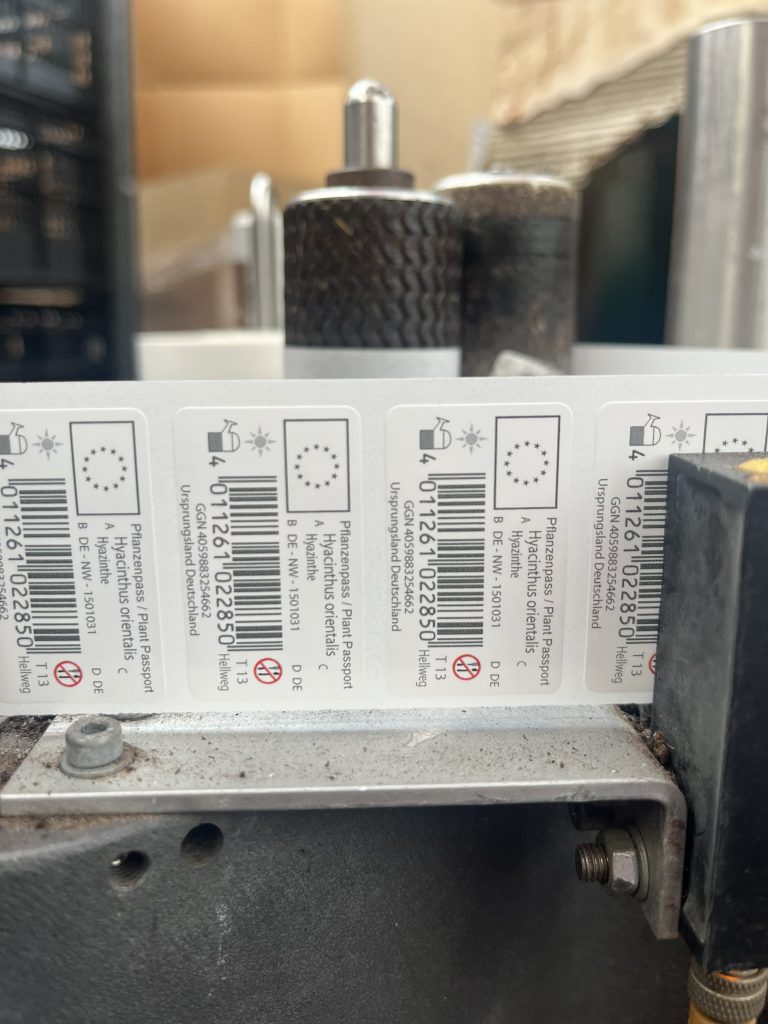
The Agraya team then visited Gartenbau Andreas Schier. Founded in 1948 as a fruit and vegetable farm for the wholesale market, operations transitioned to flower and ornamentals cultivation in 1986. The covered production area spans a wide cultivation range from flower bulbs, perennials, bedding and balcony plants, as well as potted herbs. Schier explained the process of preparing, potting, and storing their bulbs before they reach the market.
The tour continued with a stop at the Gartenbauverband Düsseldorf e.V., a regional business association with more than 75 years of experience in the horticultural sector. The group supports a range of advocacy, networking, and management activities for its members.
GLOBALG.A.P. National Technical Working Group (NTWG) Germany host Dirk Teuber, of the Landwirtschaftskammer Nordrhein-Westfalen, gave a short presentation of the evolution of the agricultural sector in the Greater Düsseldorf and wider Westphalia region. Teuber commented: “We see a clear trend of farms growing in size, while the number of producers is declining. Farmers are therefore exploring ways to become even more efficient, and looking to new technologies with AI and precision farming to support with aspects such as plant protection product and water use.”
Competitiveness in an international market
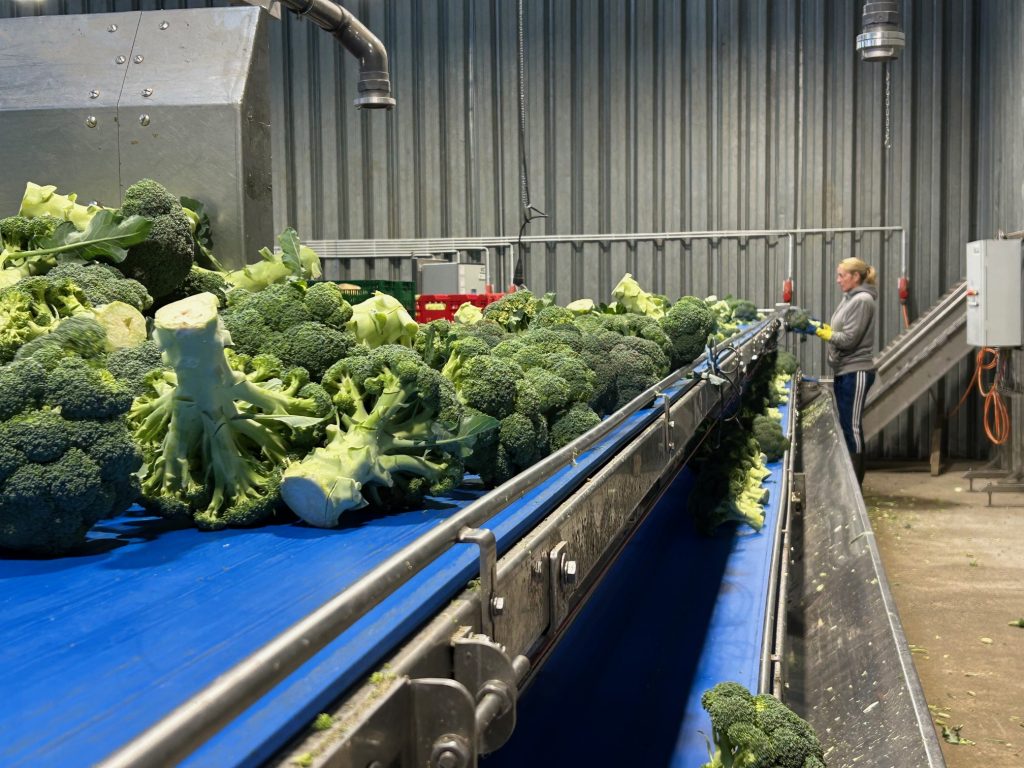
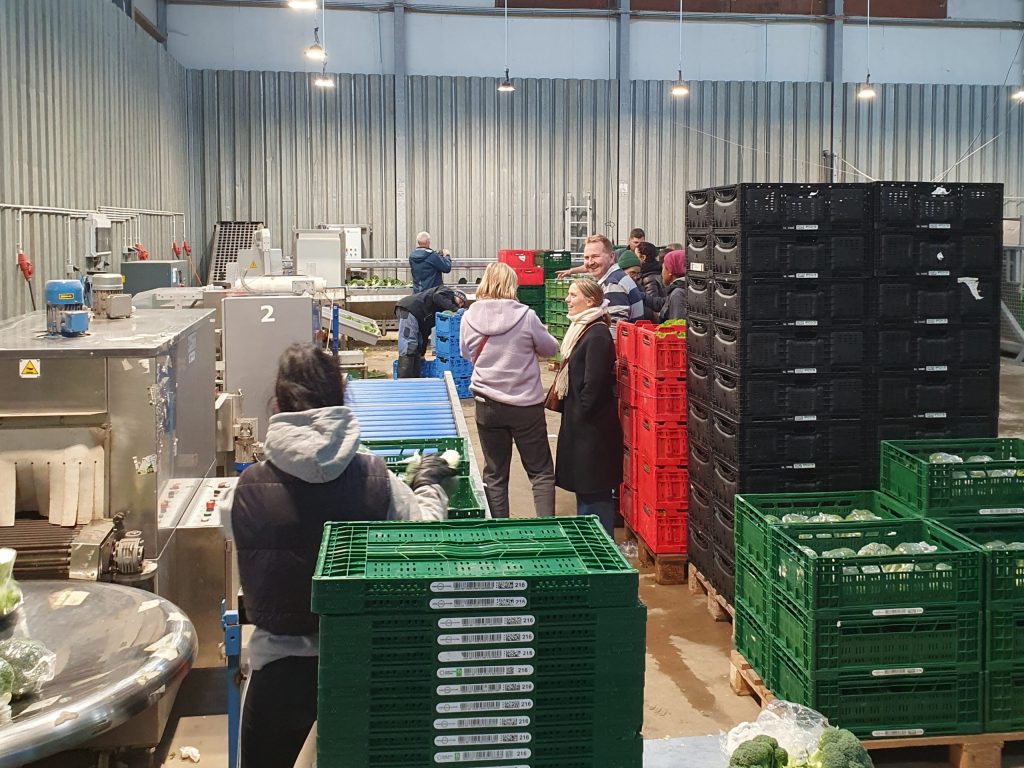
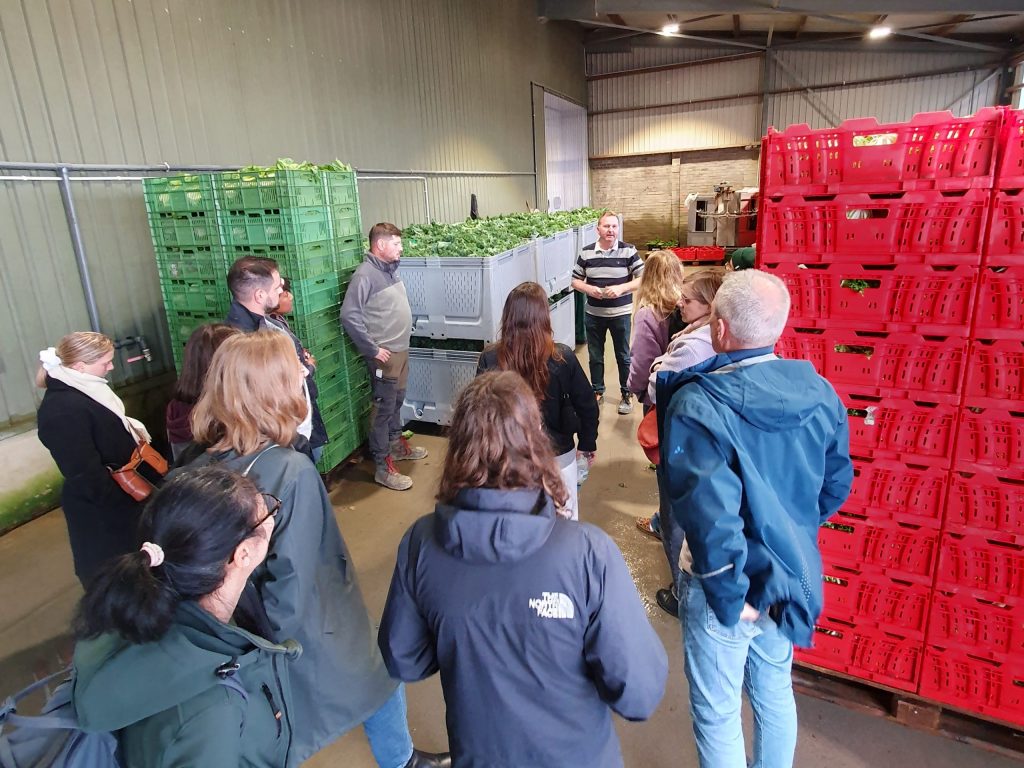
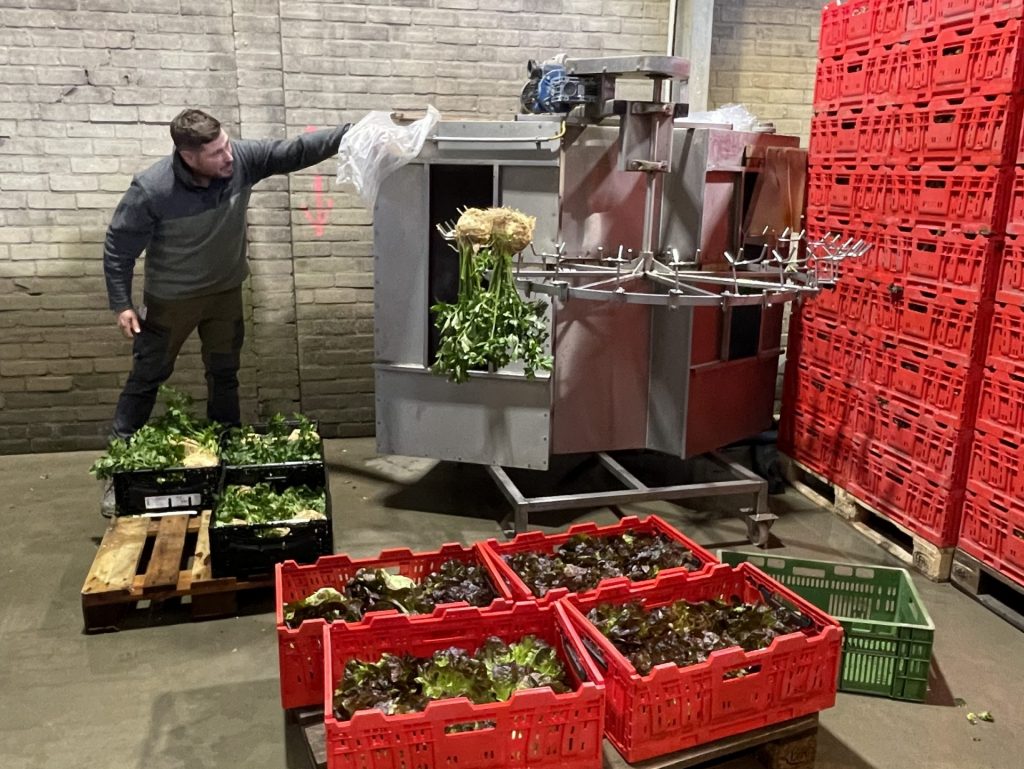
The fourth stop visited Willi Andree Gemüsebau in Meerbusch. With the farm business now in the fifth generation of the family, production spans two sites totaling more than 20 hectares of open field and 1.6 hectares of greenhouses. The business also has its own logistics operations and cleaning devices to reduce the costs of outsourcing.
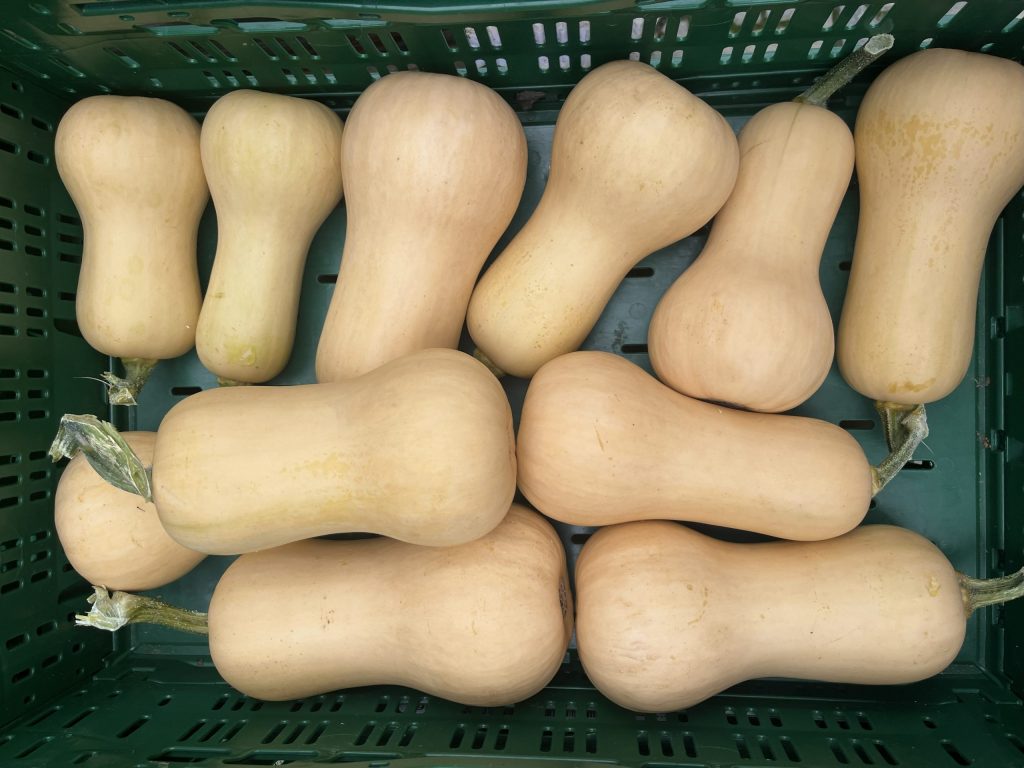
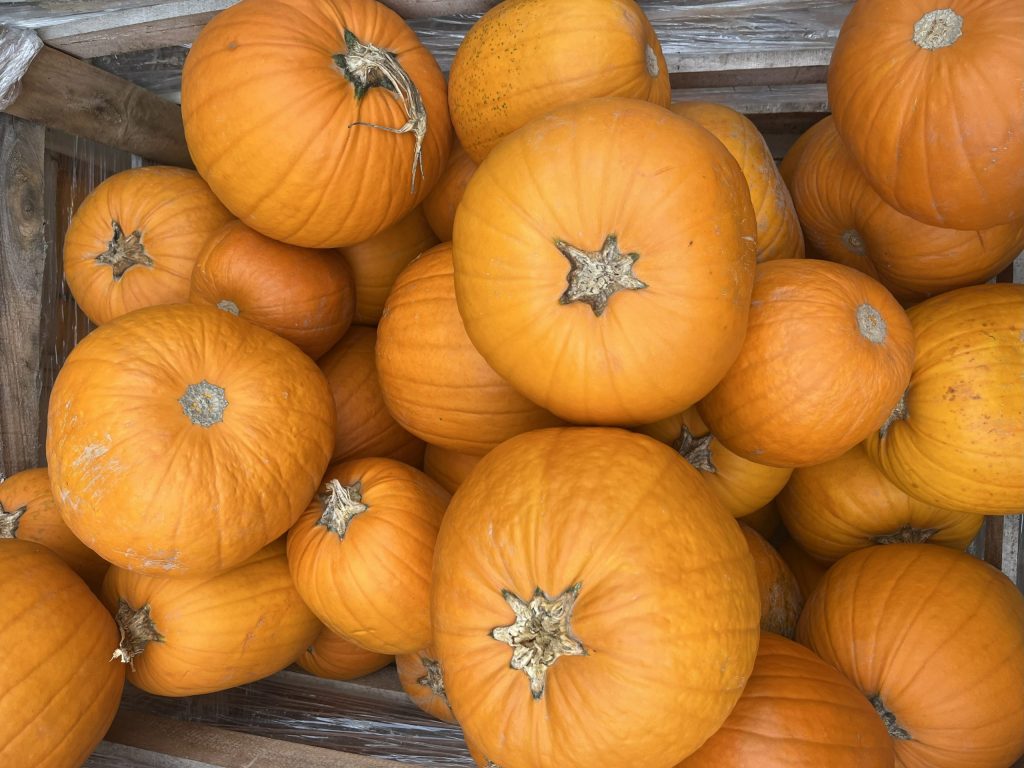
Contracting 75 workers at the farm in peak season, the Agraya team toured the on-site worker accommodations and observed the social responsibility practices that have been implemented to support seasonal workers from across Europe. In the production area, Andree explained the harvest and processing activities involved with a range of produce including cabbages, lettuces, pumpkins and squash, celeriac, broccoli, and more. He highlighted the challenges in meeting diverse buyer requirements on packaging, weight, and appearance as produce is prepared for the market.
Andree also noted the importance of buying seasonal, local produce wherever possible. With consumers now expecting to find availability of certain produce, such as berries, outside of the main northern European growing season, buyers are increasingly looking to export markets. In turn, producers from warmer global regions are able to grow these products for a longer time period, which can greatly impact the competitiveness of German producers.
Innovation in specialist crops
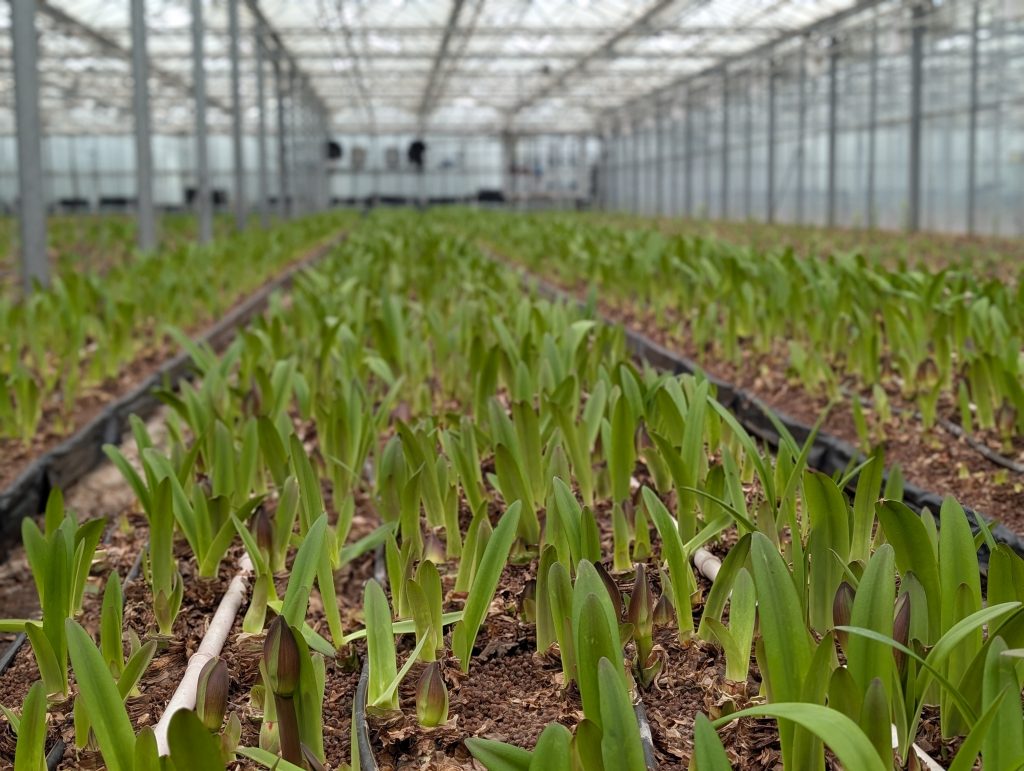
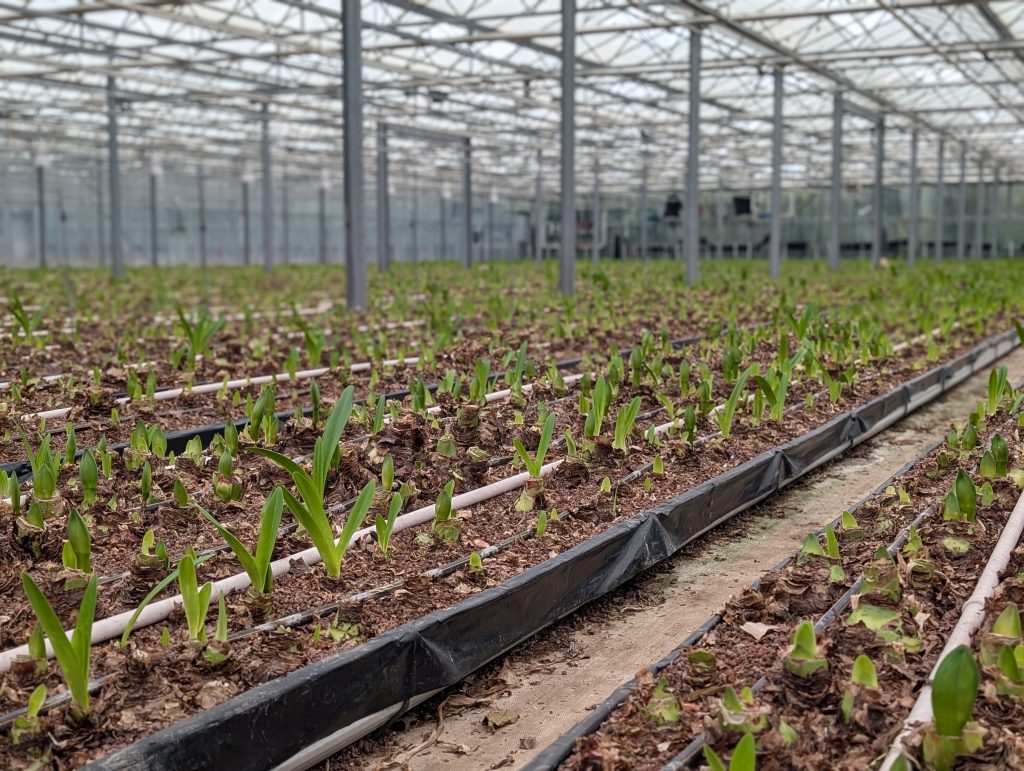
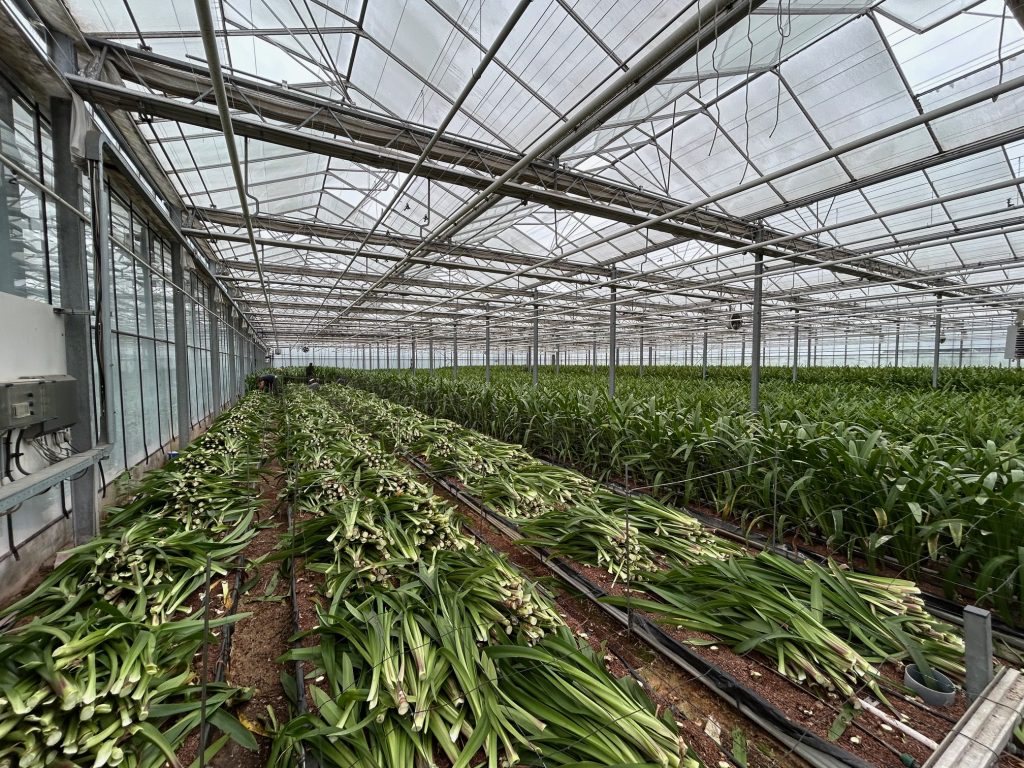
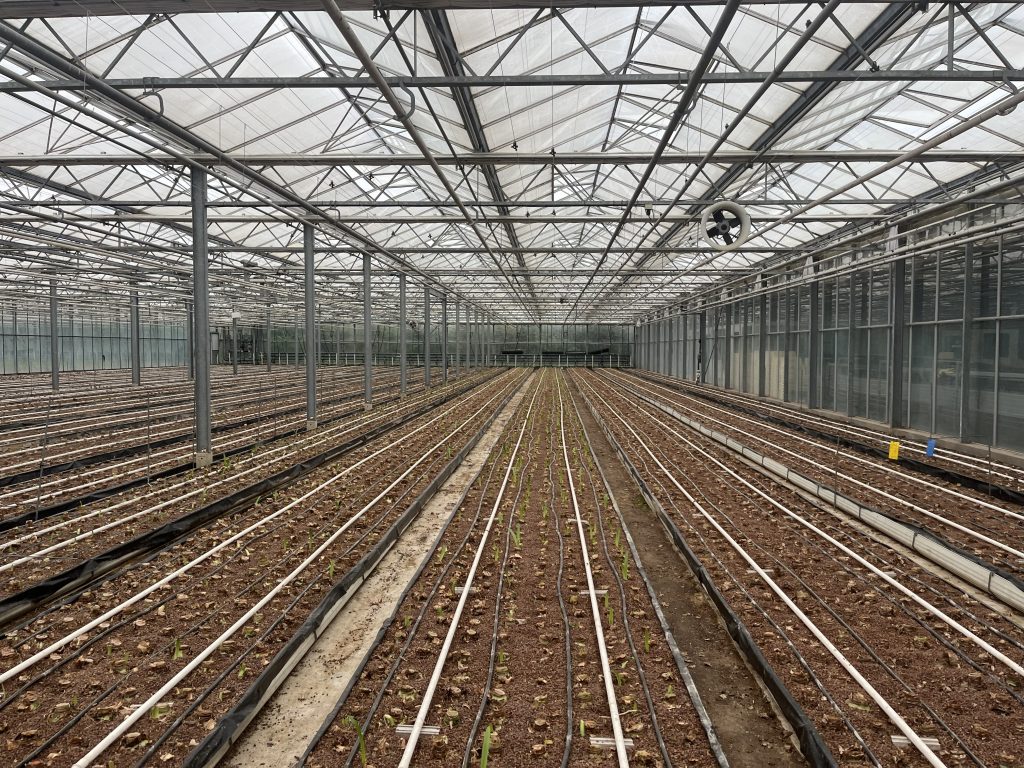
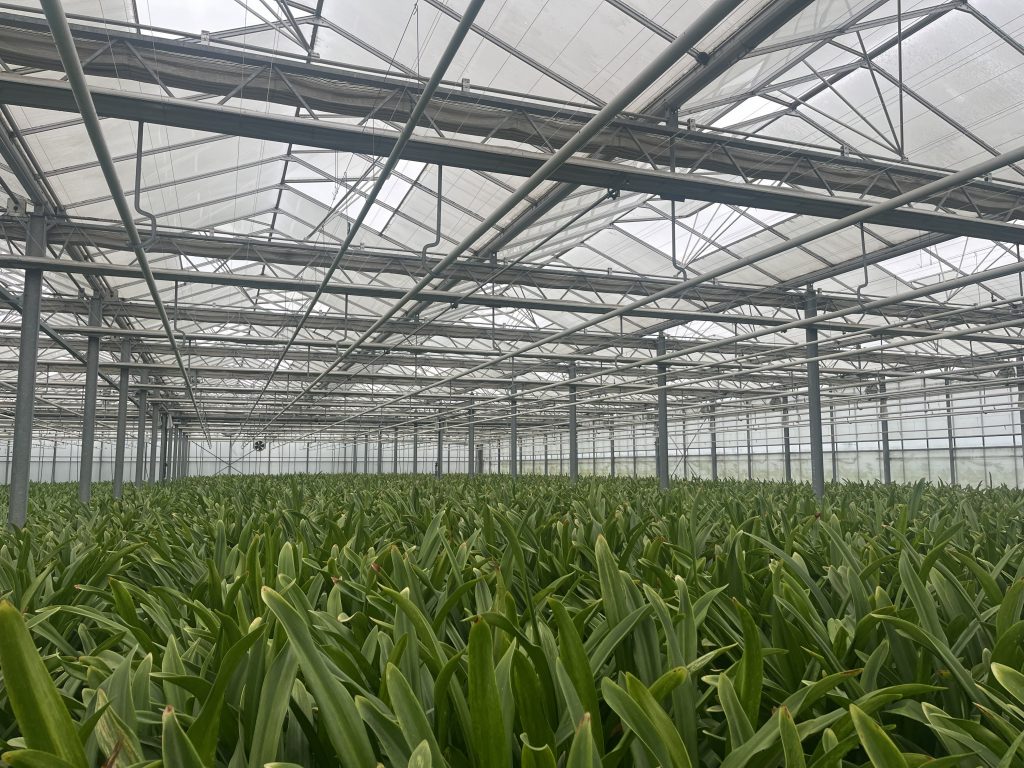
The final visit of the day took place at Gärtnerei Thomas und Stefan Rütten GbR in Meerbusch, a floriculture farm specializing in amaryllis and other cut perennials.
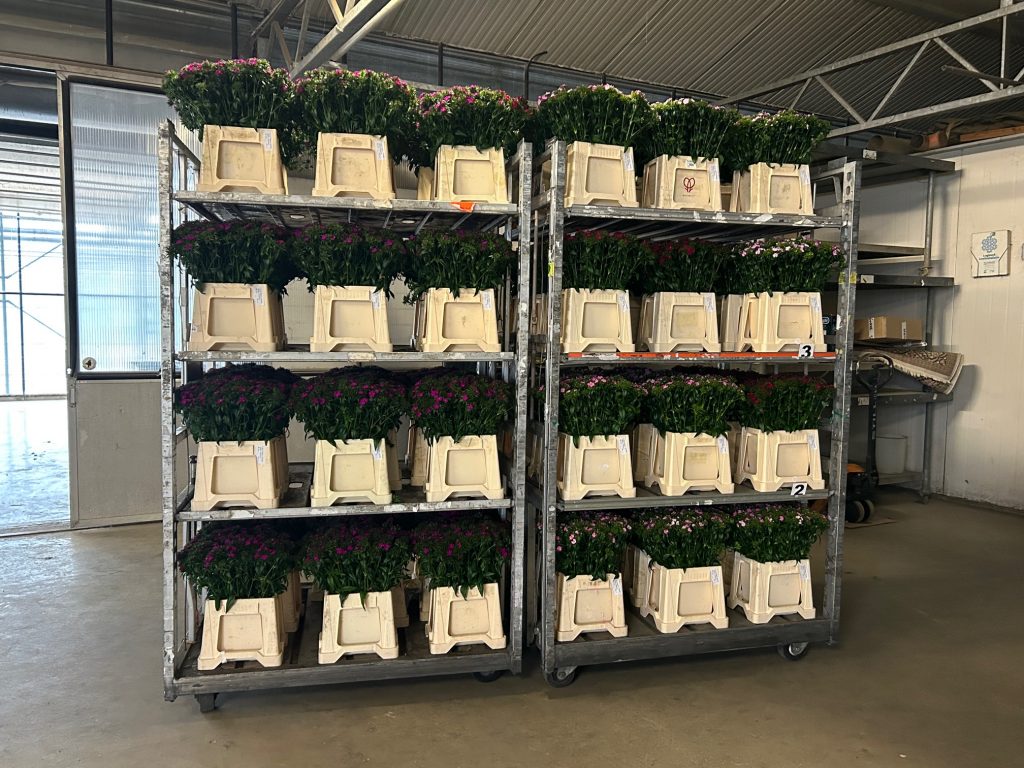
Originally founded in Mönchengladbach in 1965, operations relocated to Meerbusch in 1992. The farm spans 1.4 hectares of greenhouses for the production of amaryllis, and 3 hectares of open fields for various perennial varieties such as summer aster and sweet William. The Agraya team explored the production processes for amaryllis, understanding the complex temperature requirements and growth stages of the plant, as well as market dynamics for in-demand ornamental plants with strict quality standards.
We thank Dirk Teuber and all of the farms for their time and engagement during the visit, and look forward to advancing forward-thinking initiatives that support the sector across North Rhine-Westphalia and beyond.
Amplifying the voices of farmers is essential to a more equitable and sustainable future where agriculture strengthens communities, builds trust, and delivers lasting impact. If you are interested in hosting an Agraya farm visit, please connect with your local NTWG or contact us for more information.
Related links:
- Learn more about the role of GLOBALG.A.P. NTWGs
- Explore GLOBALG.A.P. certification solutions for fruit and vegetables, flowers and ornamentals, and more
- Find dedicated resources and support for producers
