

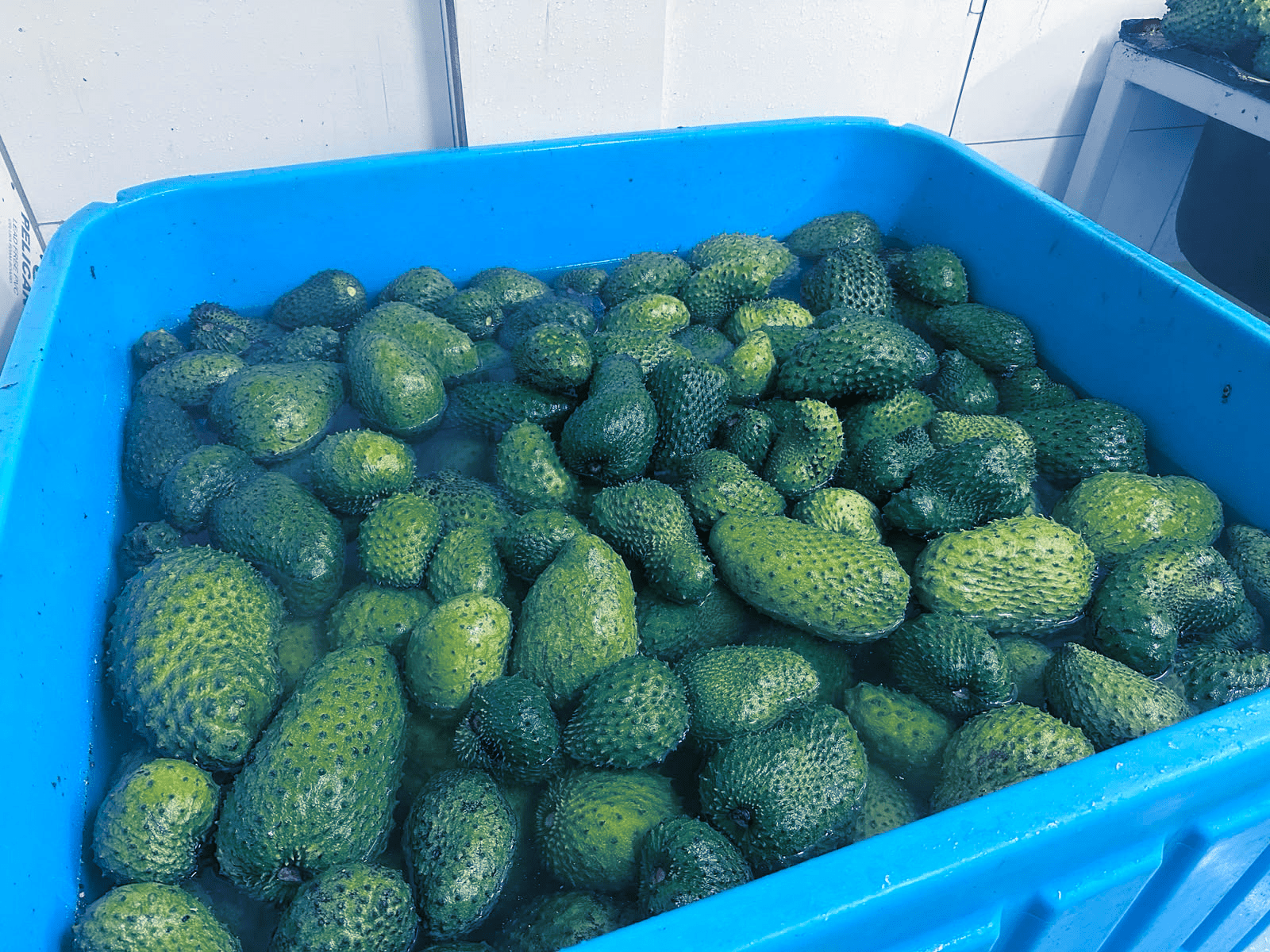
Grenada’s soursop industry plays an important role in supporting rural livelihoods and agricultural exports. Generating an estimated USD 2.6 million annually and supporting approximately 2,600 farmers, the sector also holds a unique position as the only country currently authorized to export fresh non-irradiated soursop to the United States. Maintaining and expanding this market opportunity depends on continued investment to improve the performance of the value chain.
Project and pilot program
To support these efforts, the Food and Agriculture Organization of the United Nations (FAO), in collaboration with the Ministry of Agriculture, Lands & Forestry of Grenada, and the Standards and Trade Development Facility (STDF) is implementing an initiative to strengthen sanitary and phytosanitary capacity and improve the export readiness of the country’s soursop value chain.
The project, “Enhancing Sanitary and Phytosanitary (SPS) Capacity and Market Access for Grenadian Soursop Exports”, officially entered a new phase with a national training workshop held at the Grenada National Stadium on 21 April 2026. The workshop introduced the pilot program and the practical support to be provided to selected producers and packhouses.
The workshop brought together 31 participants from across the value chain, including representatives from Grenada’s Ministry of Agriculture, the Grenada Bureau of Standards, the Caribbean Agricultural Research and Development Institute (CARDI), the Inter-American Institute for Cooperation on Agriculture (IICA), producers, exporters, and other private sector organizations.
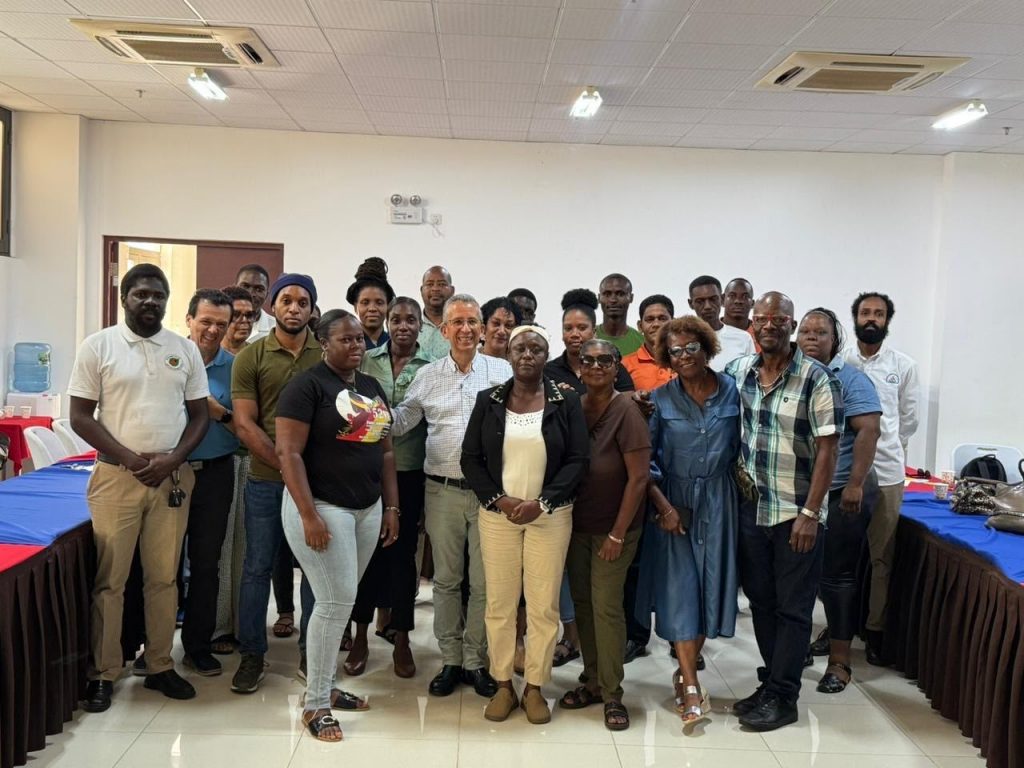
The workshop marked an important step from foundational capacity-building to practical implementation measures designed to strengthen compliance with food safety, traceability and market requirements.
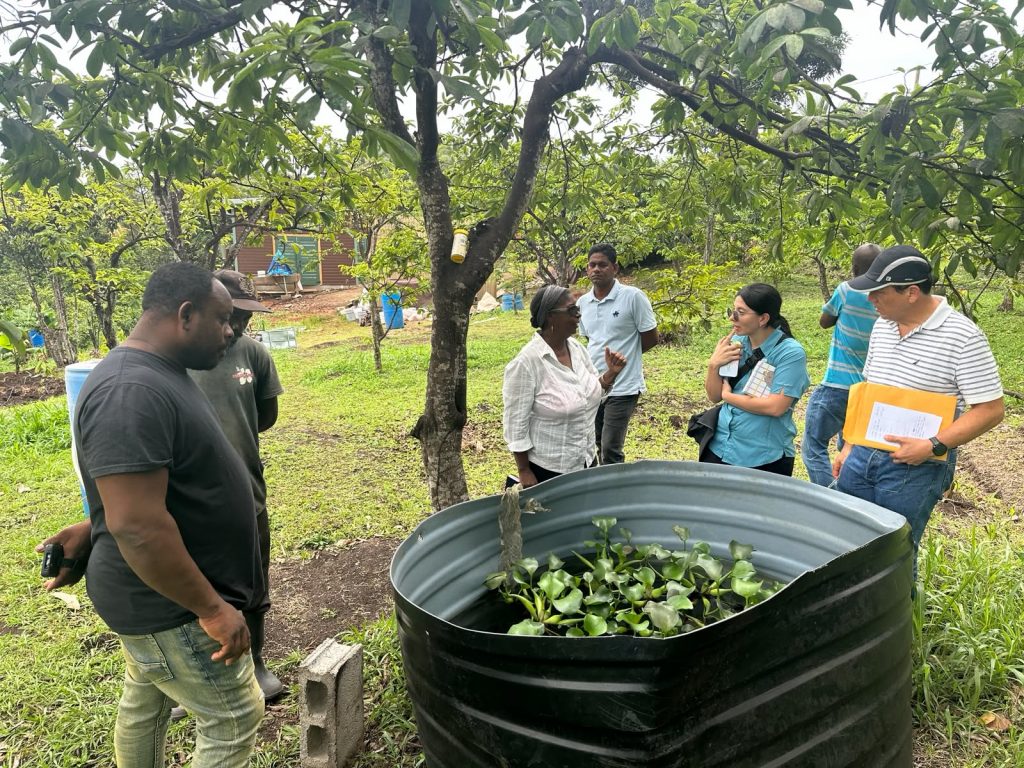
Supporting practical improvements across the value chain
As international markets continue to evolve, producers and exporters increasingly need robust systems for food safety, traceability, farm management and documentation. Strengthening these systems can help reduce risks, improve production practices and support access to higher-value markets.
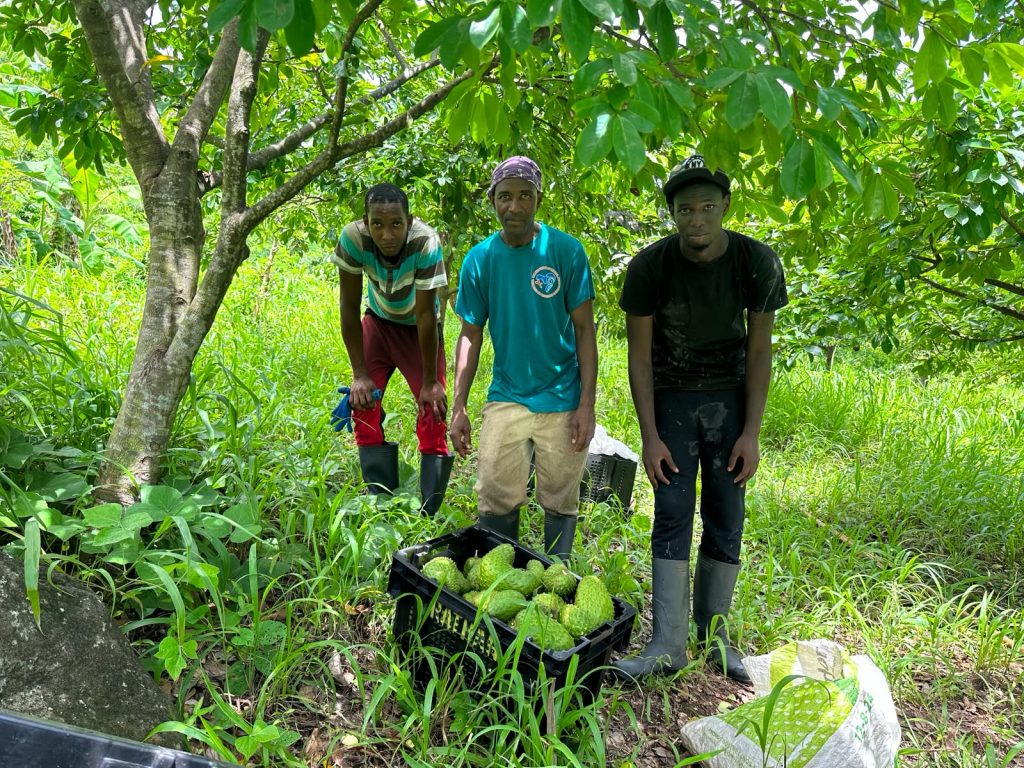
As one component of the pilot, participating operators are being supported to work towards the requirements of the GLOBALG.A.P. Integrated Farm Assurance (IFA) standard. The standard is being used as a practical framework for strengthening farm assurance systems; it does not replace official sanitary and phytosanitary requirements or applicable national and importing-country regulations. The project’s broader approach remains grounded in internationally recognized food safety and plant health principles, including relevant Codex Alimentarius guidance.
The project brings together several value chain actors and technical agencies to identify practical solutions for access to higher value markets.
Mr. Ricardo Pineda, Lead Consultant with Inversiones Riel S. de R.L noted, “Strengthening agricultural sectors requires practical solutions that respond to local realities while addressing evolving market expectations. By supporting the implementation of good agricultural practices and bringing together stakeholders from across the value chain, this initiative aims to create new opportunities for Grenada’s soursop producers while supporting the long-term development of the sector.”
Anne Desrochers, FAO Lead Technical Officer for the project, said: “The strategic importance of this work is to strengthen the systems that protect Grenada’s pest-free status and underpin confidence in its soursop exports. By improving surveillance, traceability, compliance and institutional coordination, the project is building a stronger foundation to manage sanitary and phytosanitary risks, safeguard farmer livelihoods and sustain access to high-value markets.”
Looking ahead
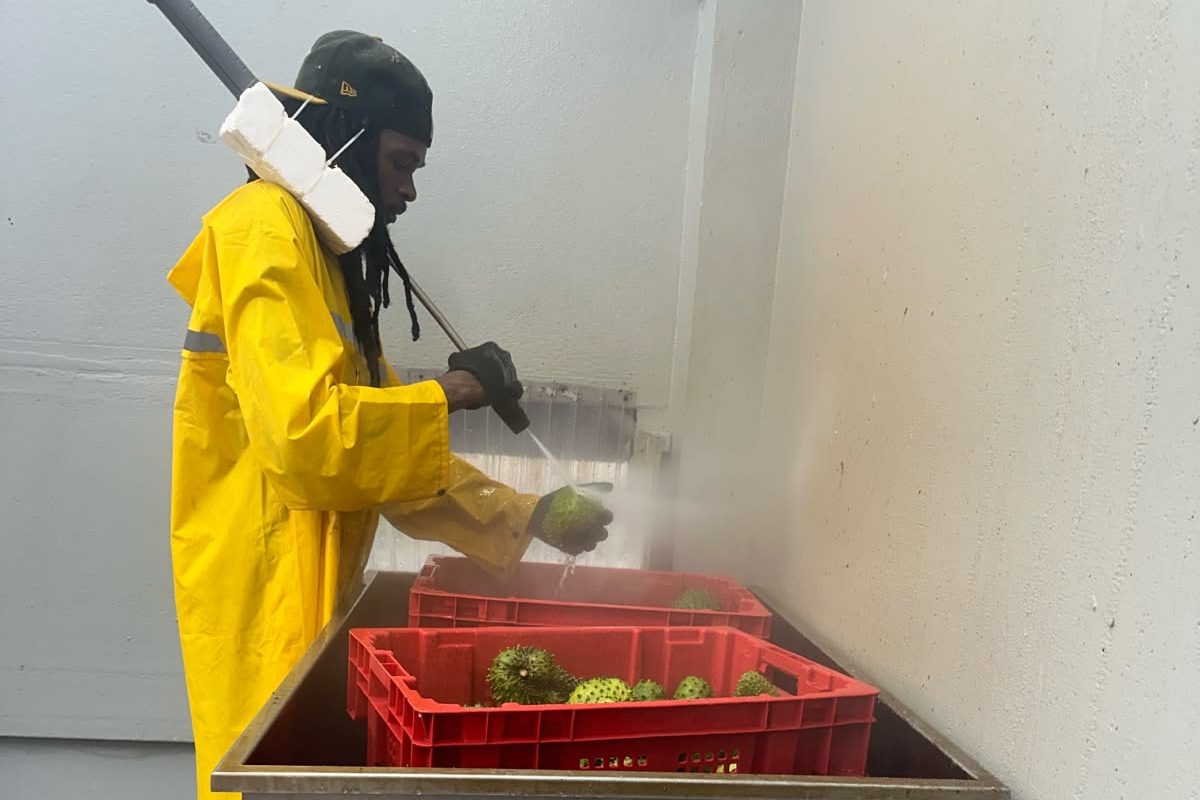
Following the initial workshop, participating producers and packhouses are receiving diagnostic assessments, training and technical guidance to address priority gaps.
The lessons generated through the pilot are expected to inform future efforts to strengthen sanitary and phytosanitary capacity, good agricultural practices and export competitiveness across Grenada’s soursop sector.
