

For agriculture to become more sustainable, change should extend beyond individual practices. It means considering how food is produced, how resources are managed, and how farmers and communities can build resilience for the future.
The solutions can take many forms, from improving resource efficiency and protecting biodiversity to strengthening knowledge, livelihoods, and access to markets. What connects them is a commitment to farming systems that deliver lasting value for both people and the environment.
The Changemaker Award 2026 for Sustainability recognizes initiatives putting these approaches into practice and demonstrating how meaningful change can take shape across different farming contexts.
Helvetas Swiss Intercooperation, Albania: Building a market system for sustainable agriculture
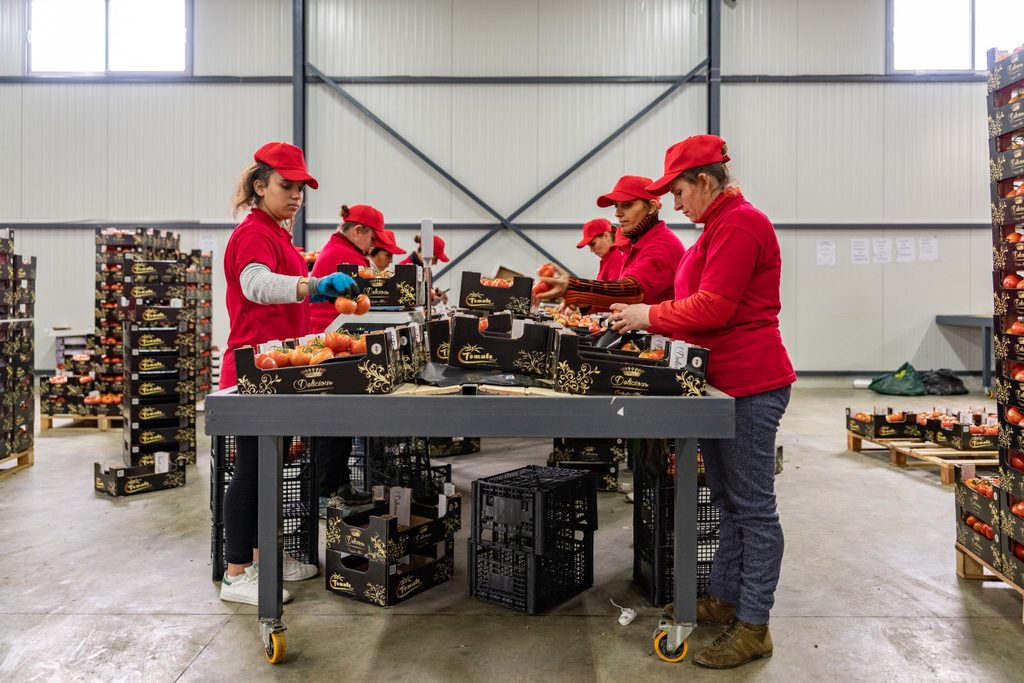
RisiAlbania, an SDC mandate implemented by Helvetas Swiss Intercooperation Albania and Gramos Osmani, helped Albania’s fruit and vegetable sector move from fragmented, individually certified production toward a more accessible GLOBALG.A.P. group certification model. By strengthening quality management, traceability, and cooperation between farmers and exporters, it helped connect sustainability with access to higher-value export markets.
The impact can be seen in the scale of certified production and the opportunities created for farmers. By 2025, certified production had grown from 45 hectares to around 700 hectares, reaching more than 300 farmers. Over that same period, Albanian fruit and vegetable exports to the EU also increased from €32 million in 2018 to €85 million in 2024, while the wider system contributed to more than 1,200 jobs.
“Our work helped exporters and farmers in Albania adopt quality standards and access higher-value markets. It also influenced public institutions to support certification and other activities that generate income and jobs, while increasing young people’s interest in innovative agriculture. Being recognized by the Changemaker Awards is an acknowledgment of Helvetas Albania’s efforts to make Albania’s horticulture sector more sustainable, inclusive, competitive, and better prepared for EU markets for more income and quality jobs for young people,” states Gramos Osmani, Team Lead Private Sector Development.
For the first time, female professionals were trained as farm advisers through the GLOBALG.A.P. Academy, and group certification increased women’s responsibilities in recordkeeping, quality control, and compliance. Certified farmers reported significantly higher income growth than non-certified peers.
Intelligent Green Crops, Greece: Scaling production while reducing resource use
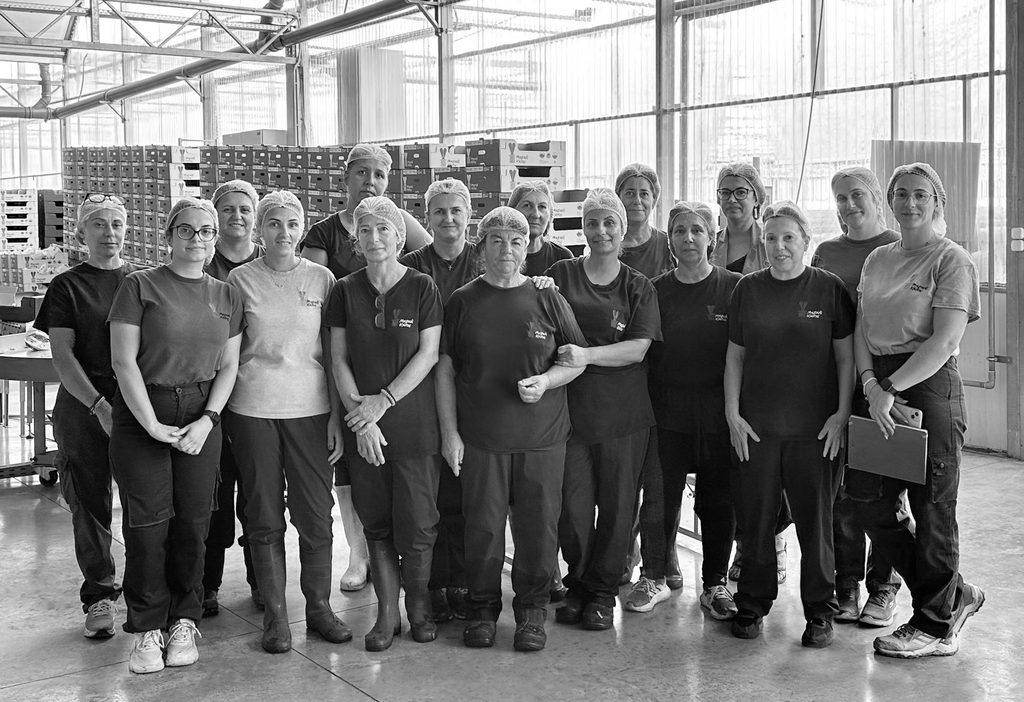
In Greece, a women-led team at Intelligent Green Crops is using advanced greenhouse technology to develop a more productive and resource-efficient approach to lettuce production.
The hydroponic operation uses soilless cultivation, automated systems, LED lighting, climate-control software, and thermal imaging to monitor plant health. Since two female agronomists took over production and commercial management in 2023, lettuce production has increased from around five million in 2022 to approximately nine million in 2025, while significantly reducing water consumption.
“In our high-tech hydroponic greenhouse, the women-led managing team has nearly eliminated liquid and solid waste, significantly reduced water consumption, economic viability, and achieved a very low carbon and environmental footprint. The sustainability of human communities cannot be achieved only through technology and innovation but also with inclusion and the opportunity of social mobility,” comments Despoina Vrochidou, Commercial Director
90% of the greenhouse’s workforce are women, including its quality control lead, and the initiative has since introduced hydroponic growing techniques to women in neighboring villages, enabling them to produce pesticide-free vegetables at home.
SCOPE, Kenya: Growing food forests through permaculture
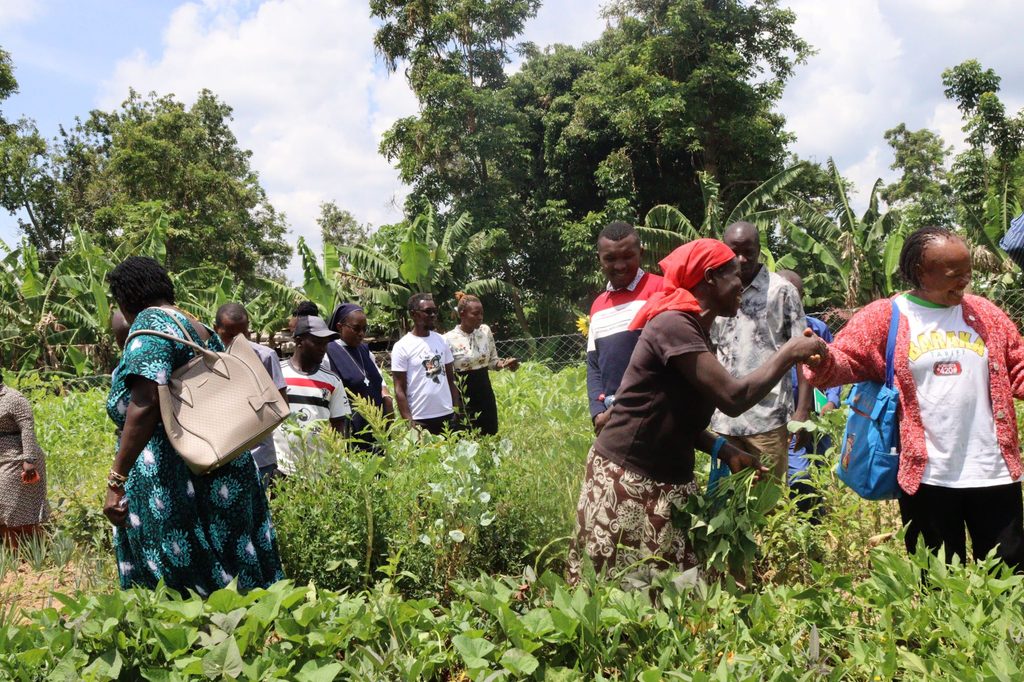
SCOPE Kenya’s project uses permaculture and agroecological education to help women smallholder farmers make more productive use of their land. The initiative combines permaculture design, agroforestry, climate-resilient food production, and community learning while improving soil health, biodiversity, and nutrition.
The impact extends beyond the farm. 25 women have established farm-gate shops to sell surplus produce, while others provide paid installation services for permaculture gardens in schools and households. A community self-help group also manages a demonstration garden that supports training and seed sharing. Income generated through these activities has helped some participants build homes, pay school fees, and improve household wellbeing.
“Using a participatory, gender-responsive approach, SCOPE Kenya builds women’s and young people’s capacity to adopt sustainable land-use practices that improve food security and incomes. This promotes inclusive decision-making, equitable resource distribution, and improved livelihoods. The award validates this community-owned model. Priorities include scaling up with rural women and youth, expanding agribusiness opportunities, creating employment, and advancing biodiversity conservation,” says Valary Ajwang, Advocacy and Communication Officer.
Announcing the winner at AGRAYA SUMMIT 2026
The three finalists are making strides in different directions, but the impact of each project is inspiring.
The winner will be announced at the AGRAYA SUMMIT 2026 in Bologna, Italy, on 28 October.
Join us at the SUMMIT to find out who will receive the award.
Related links
- Find out more about the Changemaker Awards 2026
- Learn more about AGRAYA SUMMIT 2026
- Join us at SUMMIT 2026 to personally meet Agraya’s technical experts at the Solution Hub
