

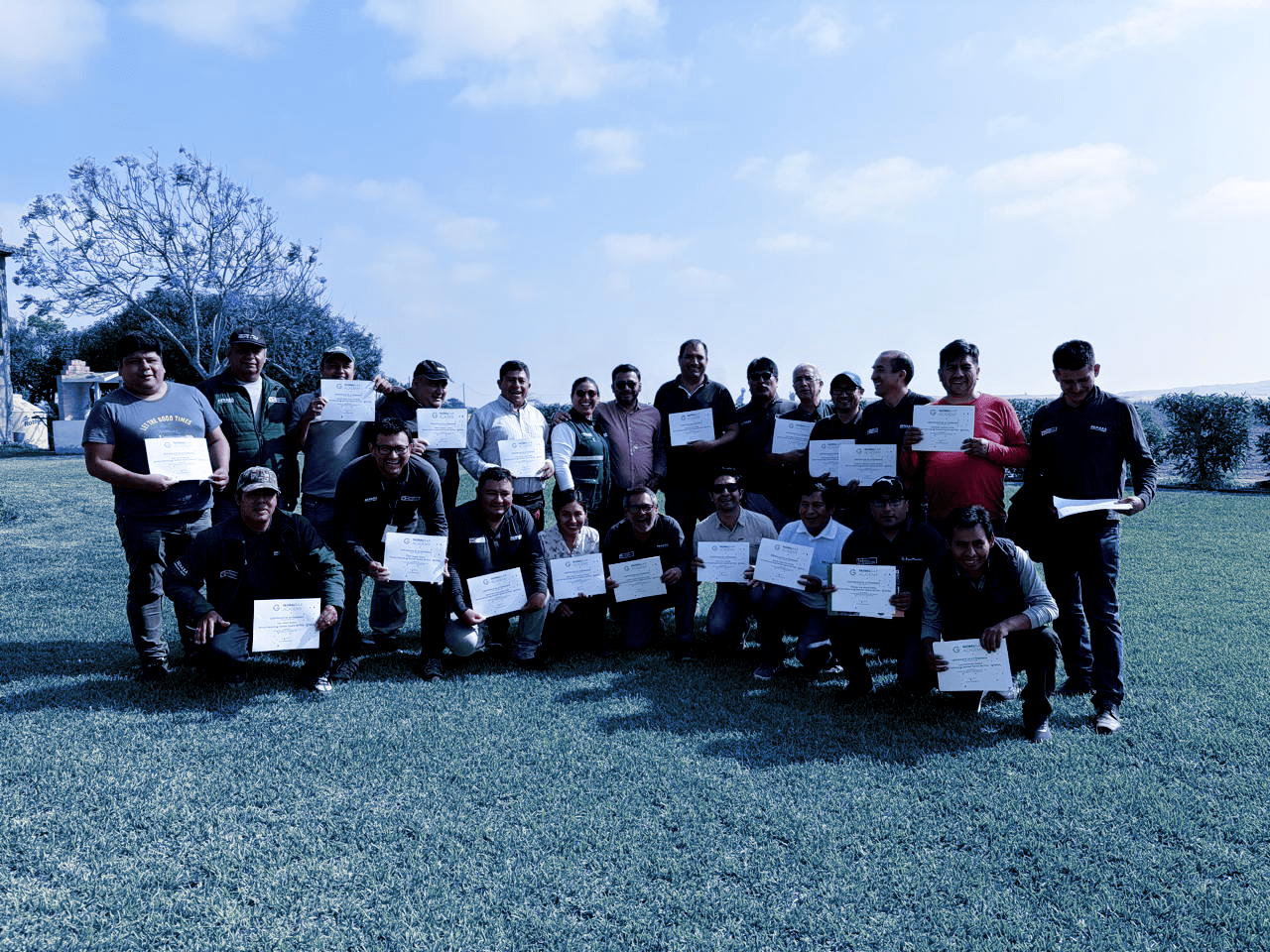
Behind every certified farm are the producers, trainers, consultants, and technical specialists on the ground who turn a written framework into daily decisions in the field. Strengthening that expertise in the places that need it most is the quiet engine behind safer food, healthier environments, and more resilient farming communities.
Skills rooted in the community
For a smallholder, the gap between daily farming realities and a certified, exportable crop is rarely about effort, but rather access to training, funding, and awareness of responsible practices and the requirements of regional and international markets.
That is why capacity building sits at the core of Agraya’s activities. Working alongside governments, development bodies, and local institutions, we aim to build expertise that takes root locally – supporting producers in implementing responsible practices and connecting them to the markets that reward it.
In many of the emerging economies in which we work, agriculture is among the largest employers. When producers are able to meet international standards, the effects can ripple outward – steadier incomes, safer food and working conditions, and a firmer economic footing for entire communities, not just individual farms.
Reaching whole communities in this way is what we’ve refined for more than 25 years: Training a core of local experts who then carry the knowledge far beyond the original group. Across five continents, our capacity-building projects have already reached thousands of people.
In the “G.A.P. in Action” project across Brazil, Argentina, Guatemala, and Peru (2014–2016), 135 consultants were trained and went on to reach more than 2,000 farmers. The same logic has played out in very different settings since, promoting food safety on pomelo farms in Indonesia and Myanmar with GIZ (2016–2018), building local consulting capacity in Nigeria with UNIDO (2018–2019), and embedding the GLOBALG.A.P. Integrated Farm Assurance (IFA) and Primary Farm Assurance (PFA) standards into Namibia’s national food control system (2021–2023). In each cases the aim was the same – not a certificate, but local expertise strong enough to outlast the project that built it.
With the publication of the Agraya 2025 Annual Report, we’re reflecting on the capacity-building activities that took us to three very different settings last year: Peru, India, and Brazil.
Peru: Putting knowledge to test
Carried out with Peru’s Servicio Nacional de Sanidad Agraria (SENASA) under the PRODESA programme and financed by the Inter-American Development Bank (IDB), this project focused on hands-on capability.
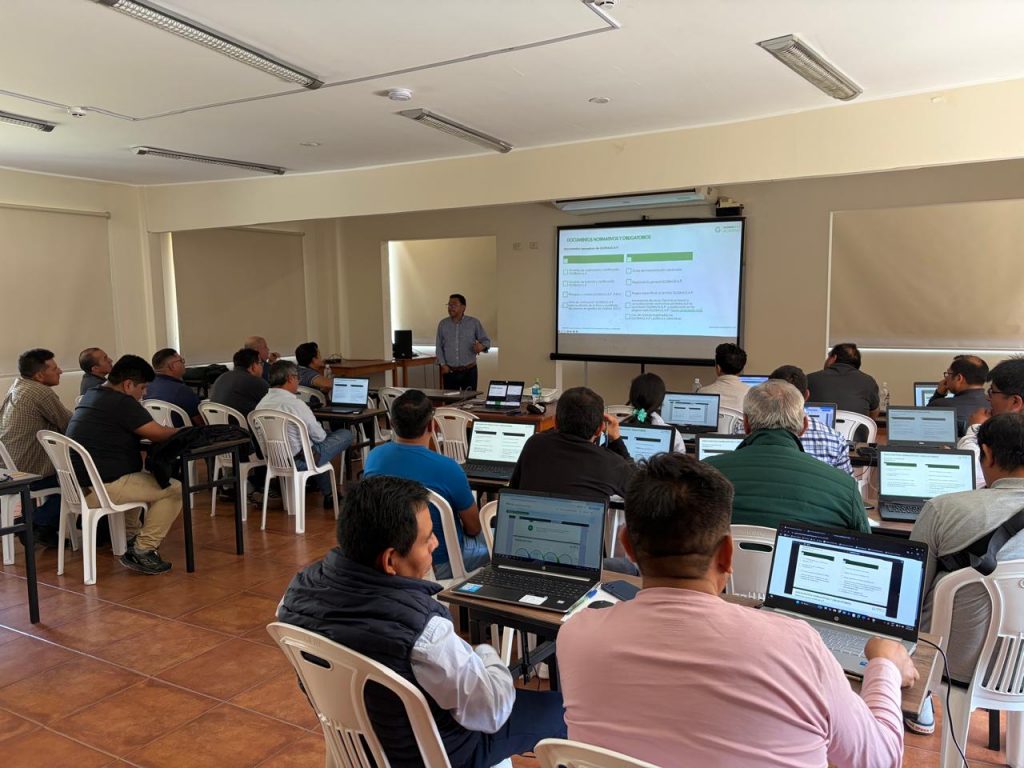
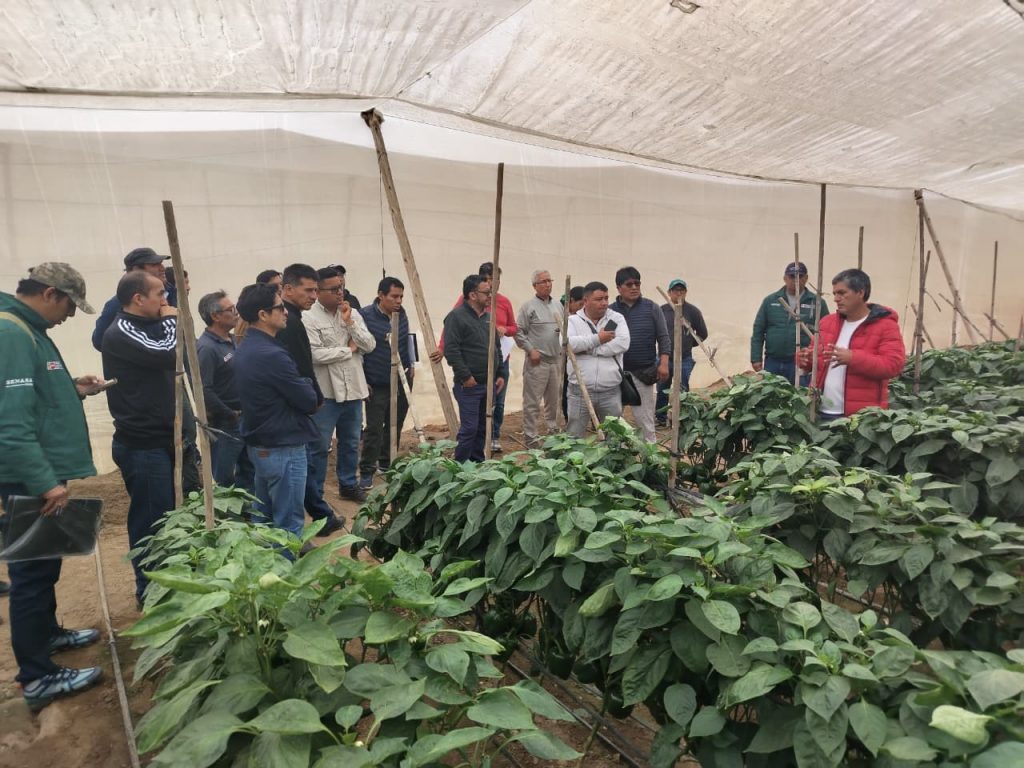
Between November and December 2025, six-day training cycles ran in Lima, Arequipa, and Piura, moving from classroom sessions and case studies to field exercises in which participants simulated certification audits on real farms.
That practical grounding was the central point. Evaluating actual production units sharpened trainees’ ability to identify compliance gaps and propose corrective action, enabling participants to put theory into practice. Sixty SENASA professionals completed the training, deepening Peru’s pool of qualified auditors and specialists, and with it the quality infrastructure that underpins the competitiveness of the country’s agricultural exports.
India: Support at every level
Our project to provide support for sustainable agriculture and policies in India formed part of a broader, multi-stakeholder effort to make horticulture more inclusive, resilient, and economically viable for smallholder farmers.
This was delivered in collaboration with the Ministry of Agriculture and Farmers Welfare (MoAFW), the National Agronomic Board (NAB), and Deutsche Gesellschaft für Internationale Zusammenarbeit (GIZ).
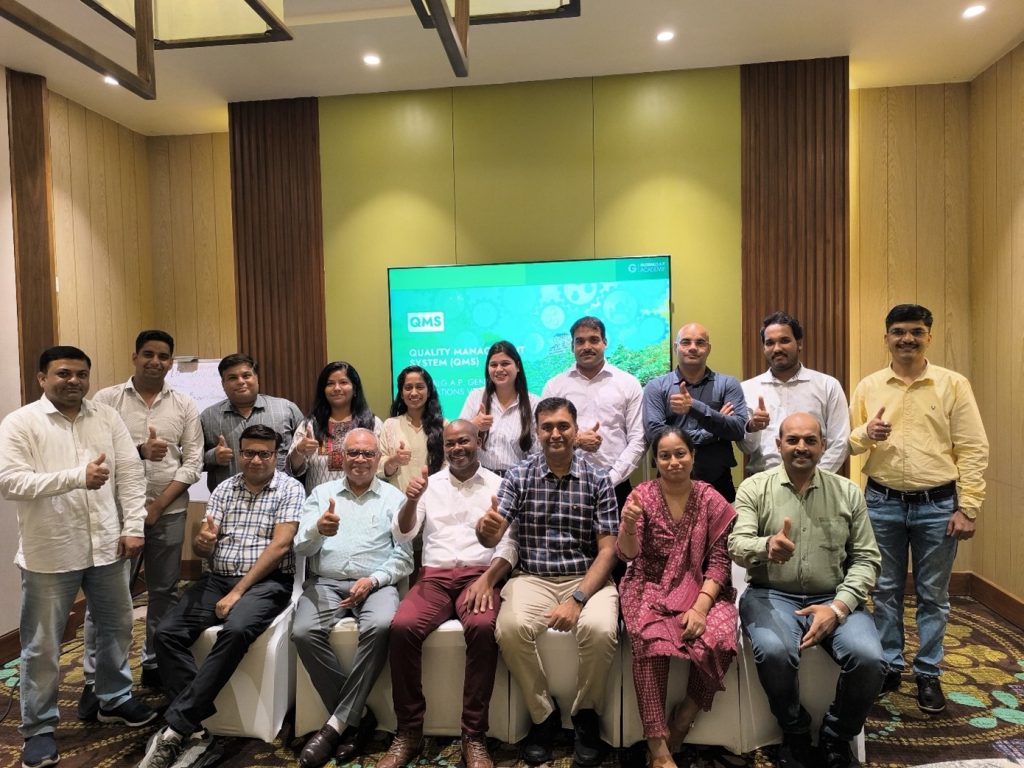
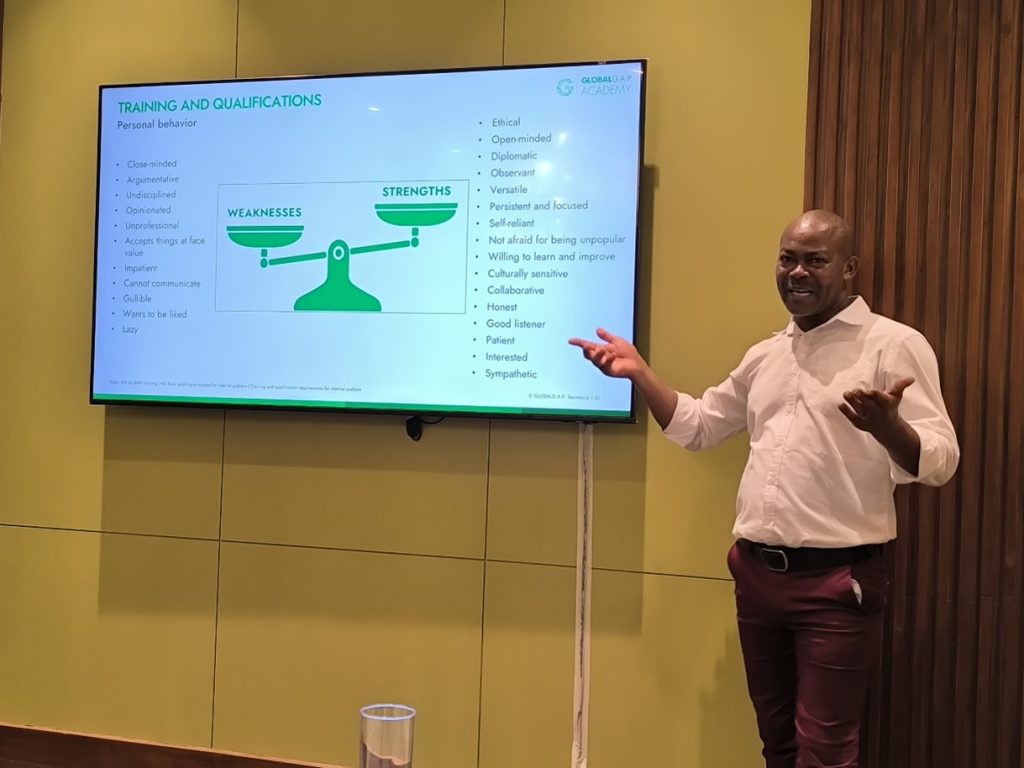
What set this project apart was its reach across the system, from government extension workers to farmers themselves. 30 professionals were trained across a range of solutions – IFA, quality management system (QMS) and internal auditor training, the GLOBALG.A.P. Risk Assessment on Social Practice (GRASP), and the Sustainable Program for Irrigation and Groundwater Use (SPRING) – and mentored to assess farm readiness and advise producers independently. Just as significant, the project supported the translation of the IFA v6 standard and its normative documents into Hindi, ensuring widespread availability and laying the groundwork for the standard to take root well beyond the project itself.
Brazil: Training that reaches further
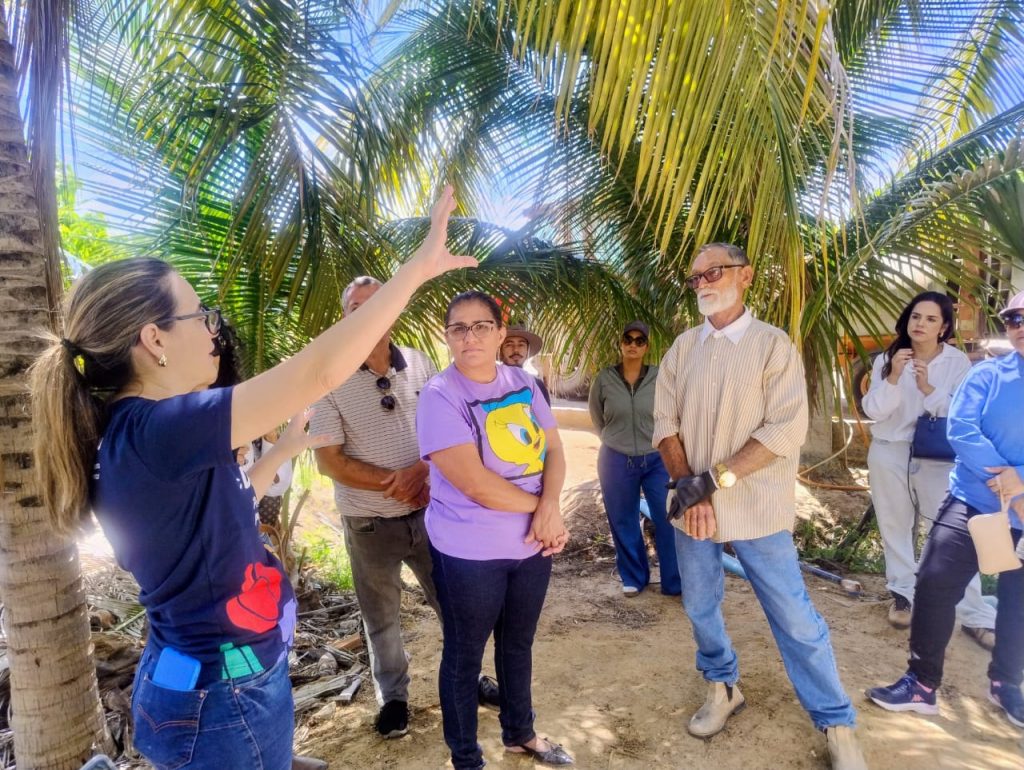
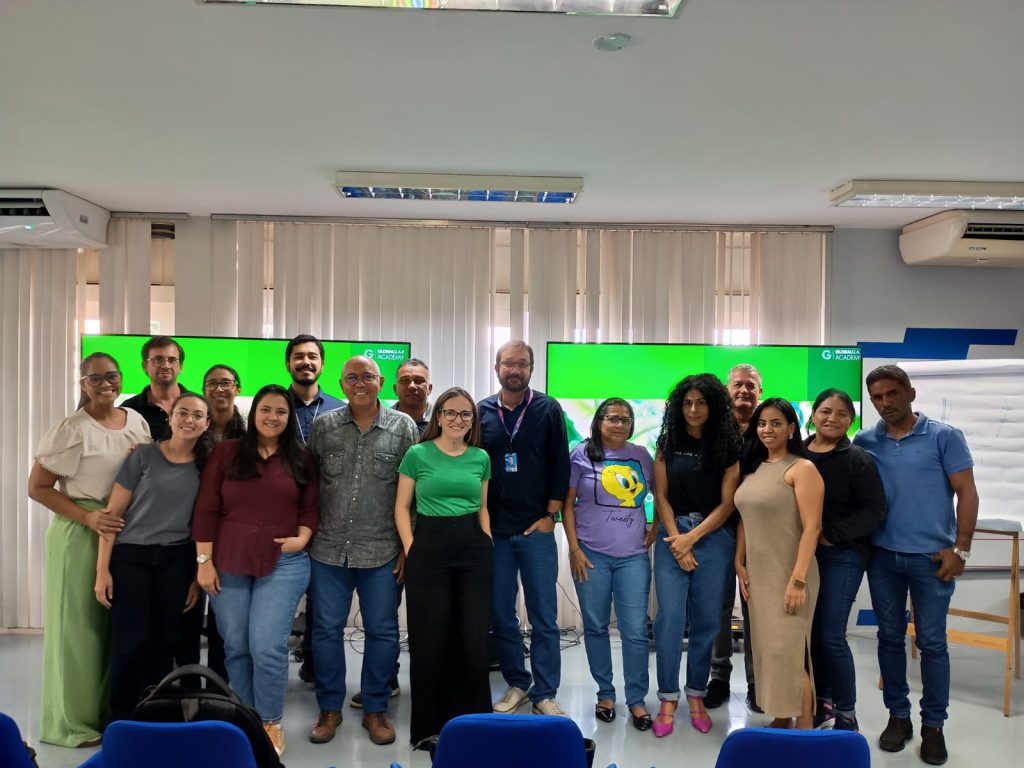
In partnership with Serviço Brasileiro de Apoio às Micro e Pequenas Empresas (SEBRAE) and the Import Promotion Desk (IPD), with technical support from PariPassu, this program set out to strengthen the people who guide producers toward certification.
Training covered the IFA v6 standard and GRASP v2, pairing classroom sessions with field visits that linked theory to the realities of working farms.
15 trainers and consultants completed the program, but the more telling outcome is what comes next. Each was selected to act as a multiplier in their region, and participants pointed to the direct guidance and peer exchange as the program’s greatest value. The feedback was strong enough that SEBRAE plans to expand the training in 2026, drawing on these experts to prepare significantly more smallholders for certification. Expertise, in other words, designed to spread.
From the fields to the SUMMIT
What connects Peru, India, and Brazil is not a single method. It is a principle: real change holds when knowledge is local, practical, and able to stand on its own.
That principle runs through the conversations we will be having at the AGRAYA SUMMIT 2026 (27–29 October). Sessions include topics such as advancing farmer empowerment and agency, inclusion as a driver of sector transformation, and moving research and capacity-building initiatives from theory to practice.
Additionally, at the Solution Hub, you can speak directly with Agraya experts who support those entering or going deeper into the world of assurance and certification.
Secure your spot for the AGRAYA SUMMIT 2026 today!
Related links
- Understand our capacity-building approach
- Explore the Registered Trainer program and our global network of experts
- Learn more about the Academy and its contribution to capacity building
